Should You Sand Cupped Hardwood Floors?
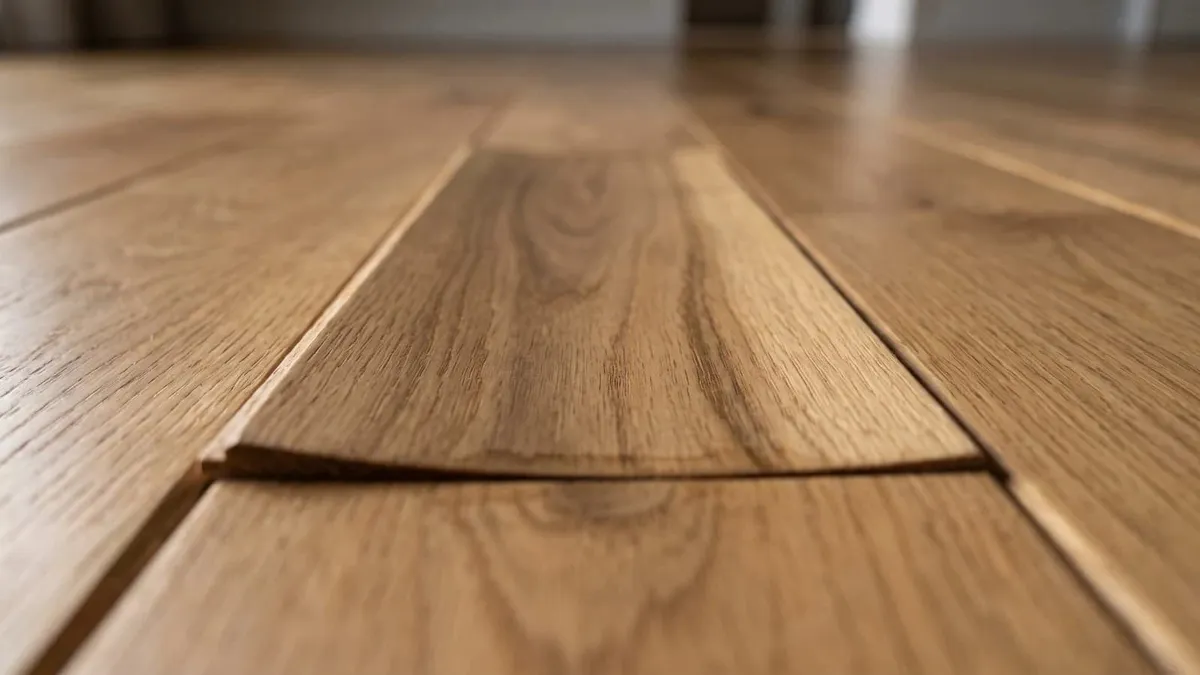
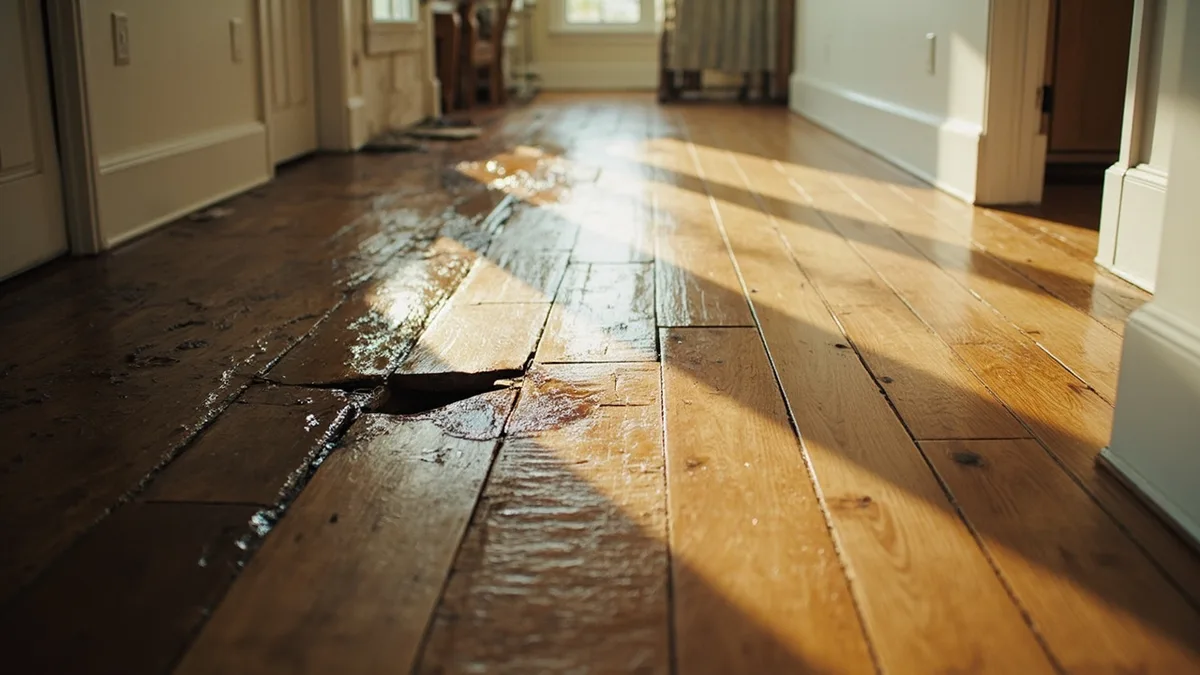
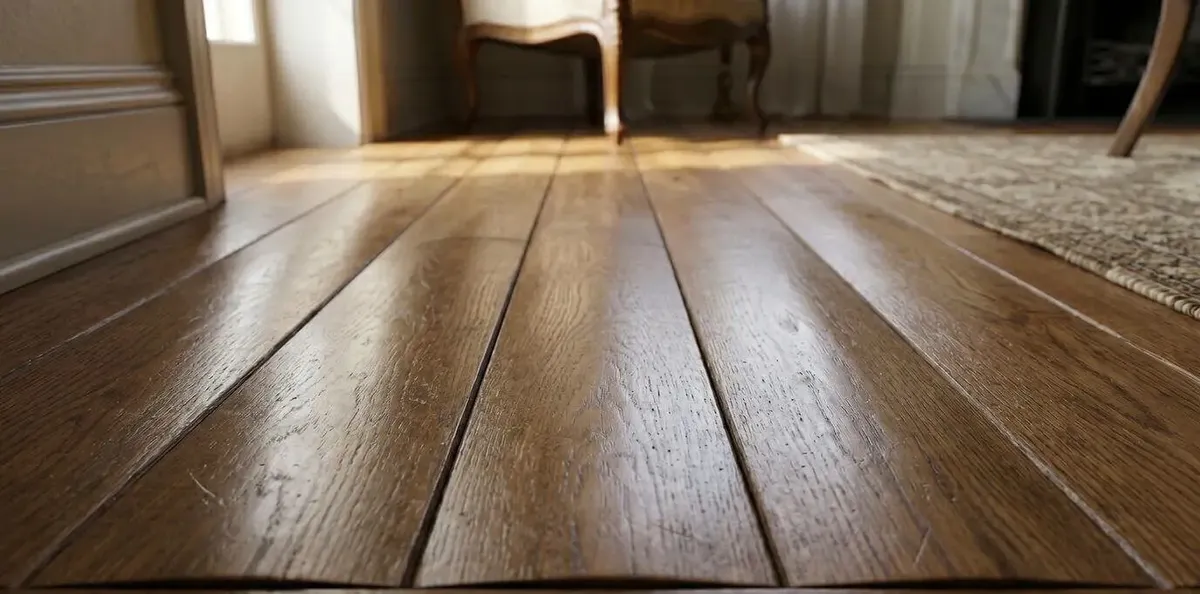
Not until the wood and subfloor are fully dry. If you sand a cupped floor while it is still wet underneath, you cut the raised edges flat. When the boards finish drying, the edges shrink and the centers end up high, which is called crowning. Dry first, wait for the wood to settle, then decide if sanding is still needed.
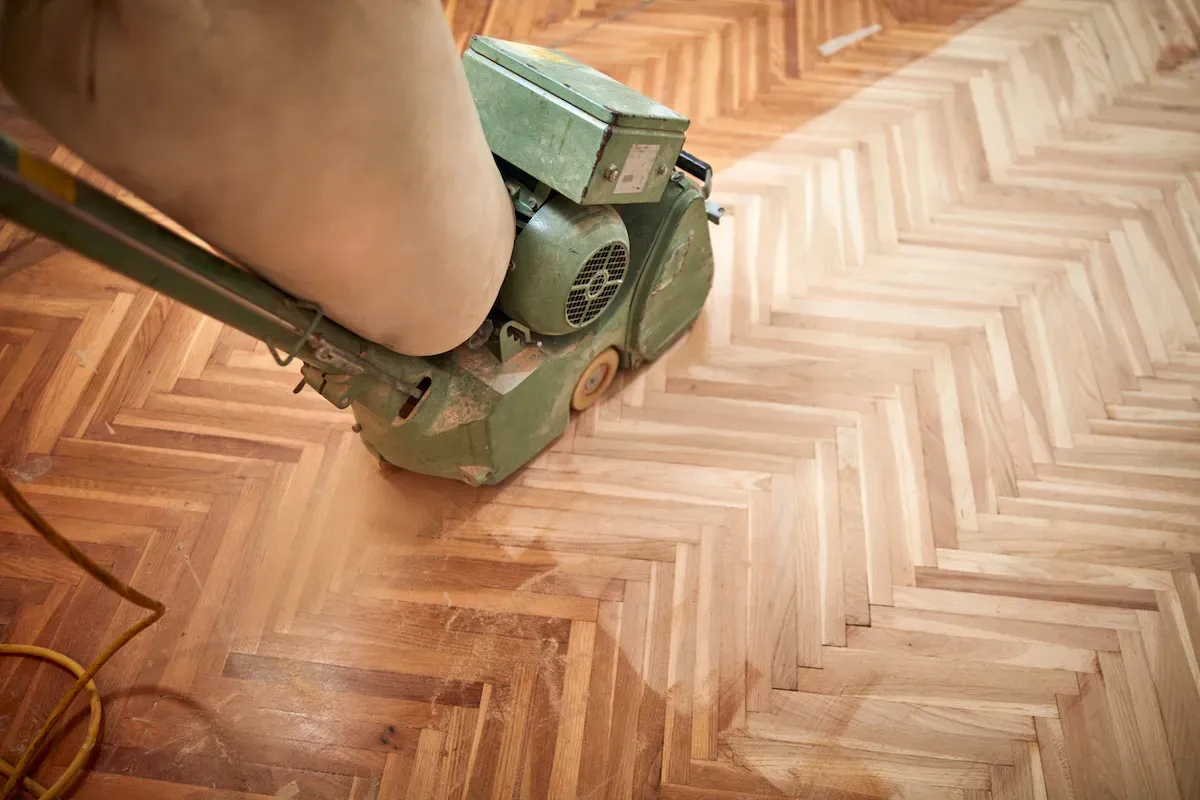
This is one of the most common and expensive mistakes after water damage. It feels like fixing the floor, but it often locks in a new problem.
Why Early Sanding Backfires
- 01
The floor cups because the bottom of each board is wetter and swollen.
- 02
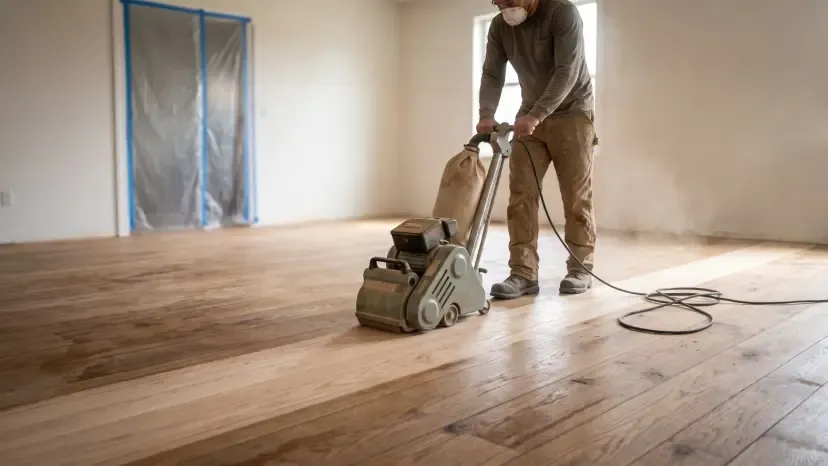
You sand it flat by removing wood from the raised edges.
- 03
The boards keep drying and the bottoms shrink back to normal.
- 04
The edges drop lower than the center, because you already took wood off them.
- 05
Now the floor is crowned, and the boards are thinner than before.
Sanding takes wood off for good. Solid hardwood can only be sanded a limited number of times, and engineered wood often only once or twice.
The Right Order
| Step | What Happens | Why |
|---|---|---|
| 1. Stop the moisture | Leak fixed, humidity controlled | Cupping will not relax while water keeps coming |
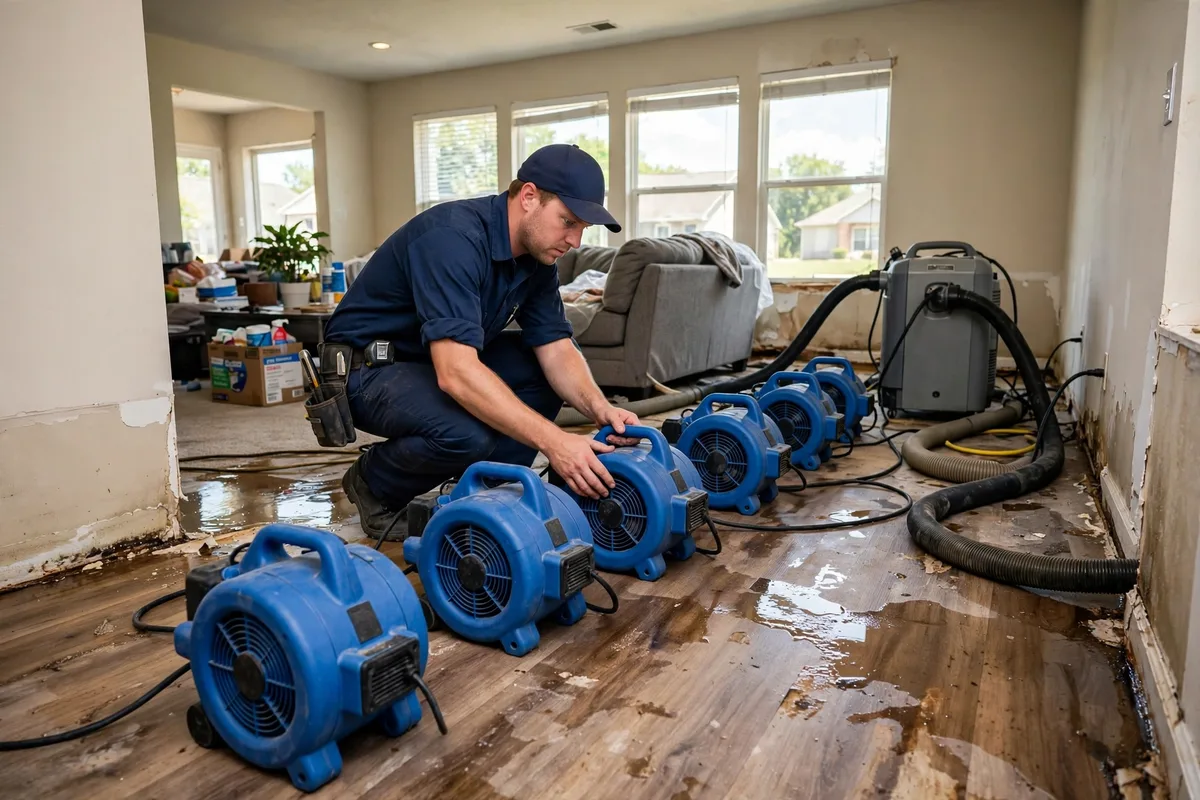
| 2. Professional drying | Mats, dehumidifiers, daily readings | Dries the wood and subfloor evenly |
| 3. Confirm dry | Readings match a dry part of the floor | Wet wood still has more shrinking to do |
| 4. Let it settle | A waiting period after drying | Boards finish adjusting to the room |
| 5. Reassess | Check how much cupping is left | Many floors flatten a lot on their own |
| 6. Sand only if needed | Light sanding and refinishing | Removes only what is left |
How Much Cupping Goes Away on Its Own?
It varies. A floor that cupped from a short leak and was dried quickly often flattens almost completely. A floor that sat wet for a long time, or that was installed with too little gap at the walls, may keep some cupping and need a light sanding. You only know after the wood is truly dry, which usually takes 3 to 14 days of professional drying.
How to Tell If the Floor Is Ready to Sand
If any box is unchecked, wait.
What About Gaps After Drying?
Small gaps between boards after drying are normal, especially in winter when indoor air is drier. Many close up again in Tulsa's more humid months. Large or growing gaps can mean the wood dried too fast or was damaged, and a flooring professional should look at it.
Sanding Cupped Floors FAQ
Sanding Cupped Floors FAQ
Until moisture readings confirm the wood and subfloor are dry, and then some extra time for the wood to settle. Ask the technician handling your hardwood floor drying or a flooring installer to recheck before sanding.
Sometimes, by sanding once the floor is fully dry and stable. Each sanding removes wood, so it has to be done carefully.
If the damage came from a covered sudden event like a burst pipe or appliance leak, refinishing is often part of the claim. Your insurer decides.
For the final call, yes. A floor can look and feel dry while the subfloor below is still wet.
Do Not Wait
Cupped Hardwood in Tulsa? Dry It First. Call Now.
Call (918) 347-0890 and a hardwood floor drying crew is dispatched immediately anywhere in the Tulsa metro.
24/7 Emergency Helpline
(918) 347-0890Keep Exploring