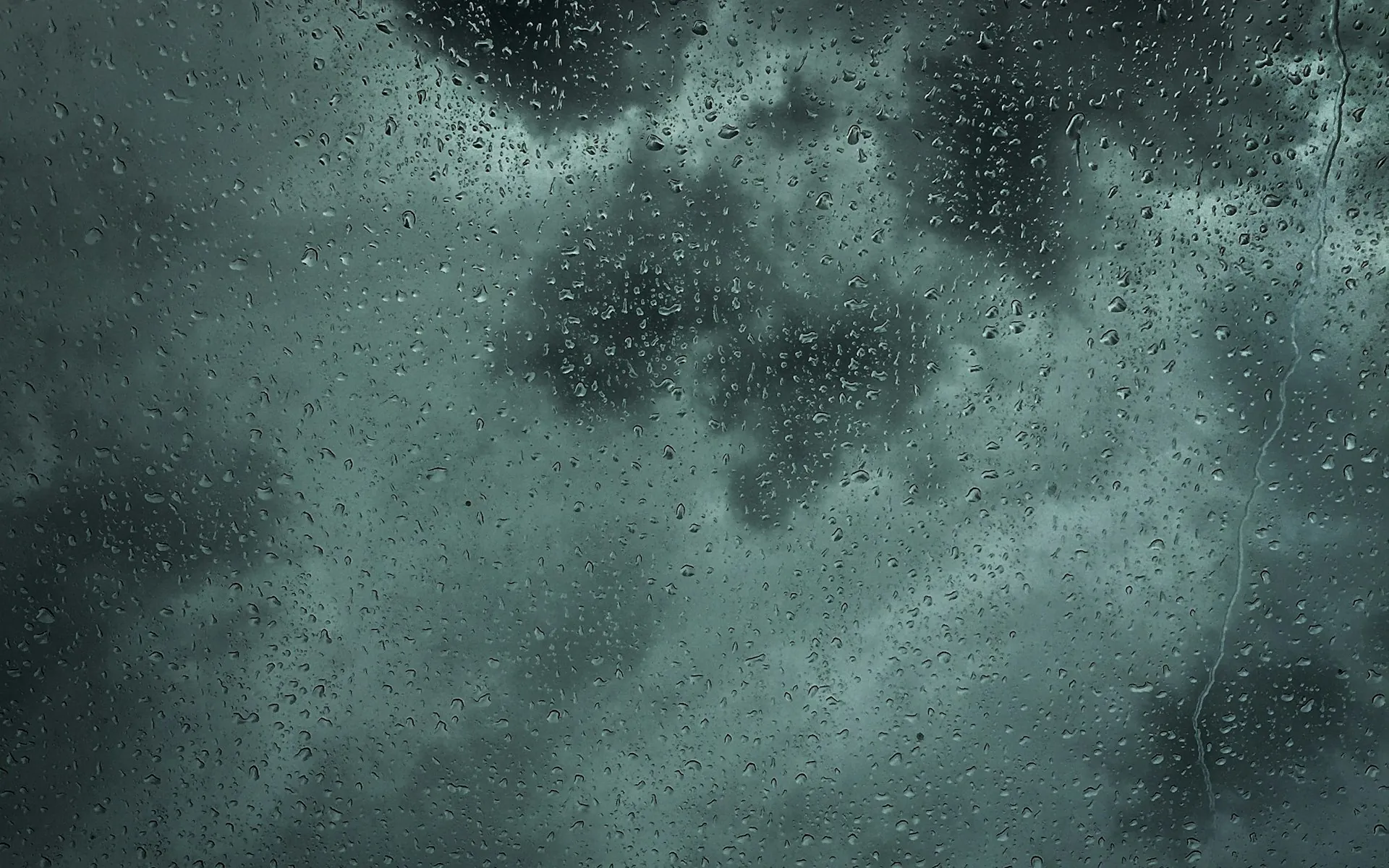
Heavy rain.
Stormwater can enter the sewer system through cracks and joints, and when the system is overwhelmed, wastewater can back up into low drains in homes.
Category 3 Black Water Extraction & Safe Disinfection.
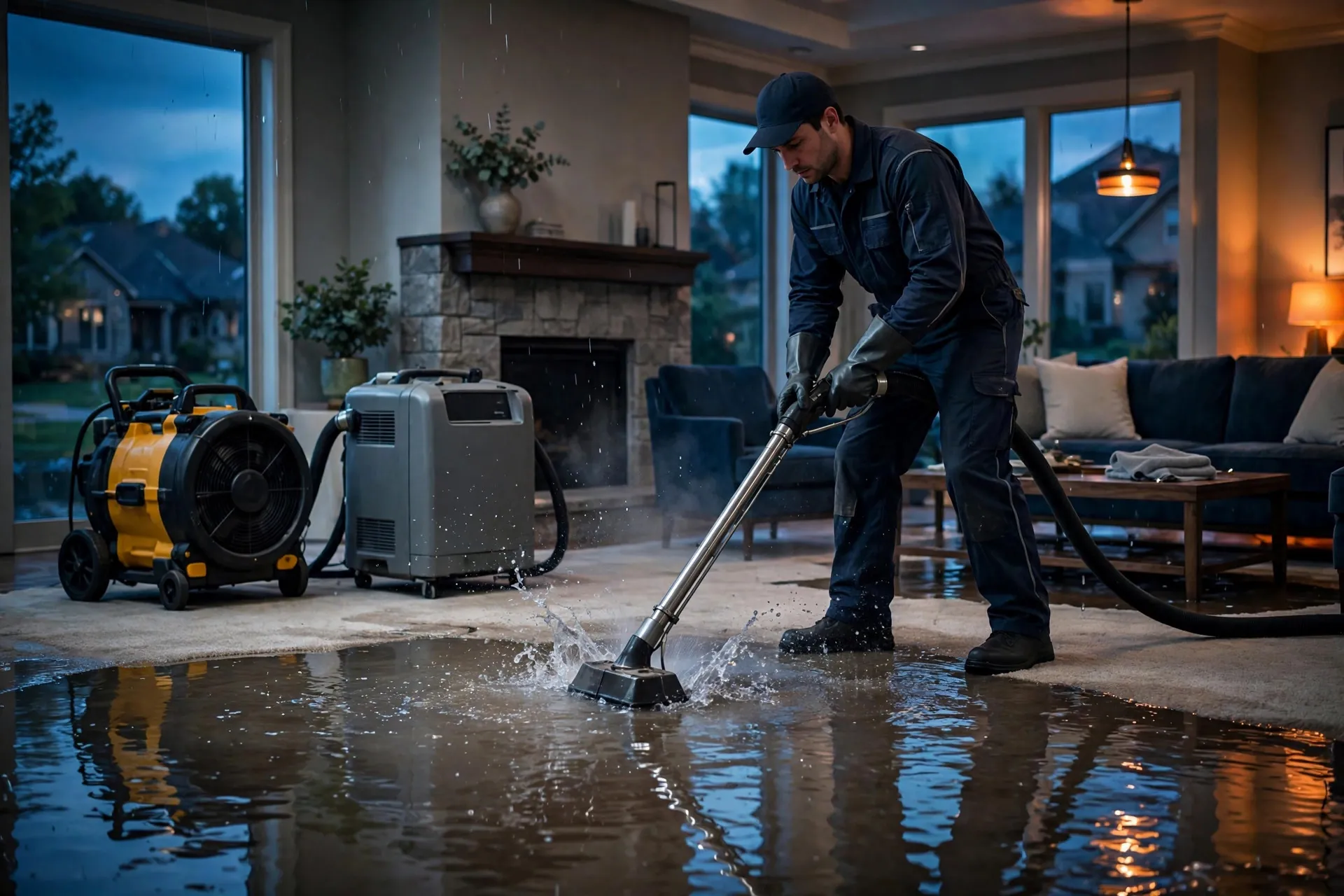
Sewage in your home is a health hazard, not just a mess. It can contain bacteria, viruses and parasites, and it soaks into anything porous. Our Tulsa crews contain the area, remove the sewage and contaminated materials, clean and disinfect what can be saved, and dry the space. We answer 24 hours a day and aim to arrive within 60 minutes across Tulsa County.
Act Fast, Stay Safe
Do not flush toilets, run sinks, showers, dishwashers or washing machines. Every drop goes into the same blocked line.
Children, pets, older adults, pregnant people and anyone with a weak immune system should stay away from the affected area.
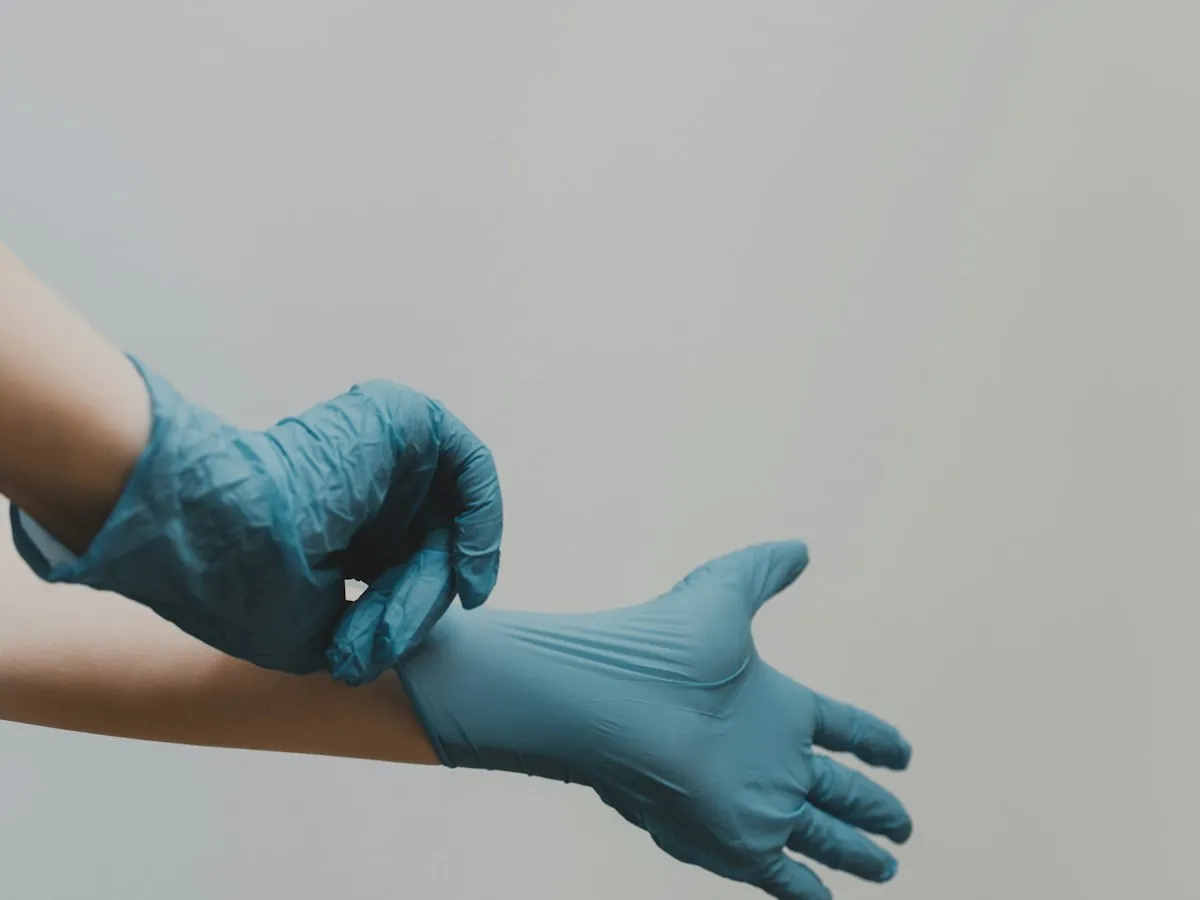
Do not touch sewage with bare skin. If you must enter, wear waterproof boots, rubber gloves and a mask, and wash up afterward.
If water is near outlets, cords or the panel, do not step in it. Call PSO or a licensed electrician.
if sewage is near vents or the air handler. It can spread odors and contamination.
They can spread contaminated droplets.
Mixing bleach with ammonia or acids creates dangerous fumes.
before anything is moved.
(see below) and call us at (918) 347-0890.
Who Fixes It
The backup comes from either the city sewer main or your private sewer line (lateral). That decides who fixes the blockage.
| What you see | Likely source | Who to call |
|---|---|---|
| Only your home is affected, other homes are fine | Your lateral or house drain | Licensed plumber |
| Neighbors affected, or a manhole is overflowing on the street | City main | City of Tulsa (311) |
| Backs up during or right after heavy rain | Often the city system, sometimes groundwater | City of Tulsa, and a plumber |
| Unsure | Either | Call both |
Homeowners are generally responsible for the private lateral from the house to where it connects to the city main, but boundaries differ, so confirm with the city. A plumber can run a camera inspection to see where the blockage is.
If the city main is the cause, tell the city and ask how to file a claim. Document everything. Claims against a city often have strict deadlines, so ask right away. This is not legal advice.
Warning Signs
Health Risk
Sewage is classified as Category 3 "black water." It can contain bacteria such as E. coli and Salmonella, viruses such as hepatitis A and norovirus, and parasites such as Giardia. Exposure can happen through skin contact, contact with the mouth, or breathing droplets.
That is why professionals use protective equipment, containment and controlled removal instead of mopping and spraying.
Local Knowledge
Stormwater can enter the sewer system through cracks and joints, and when the system is overwhelmed, wastewater can back up into low drains in homes.
Roots find tiny cracks in older sewer lines and grow inside them, catching grease and solids. Mature trees in older neighborhoods are a common cause.
Many homes in Midtown, Maple Ridge, Florence Park, Brookside, Cherry Street and the Pearl District have older clay or cast-iron sewer lines that crack, offset or collapse.
Tulsa's clay swells when wet and shrinks when dry. Over time this movement can crack or shift buried lines.
Grease, "flushable" wipes, paper towels and hygiene products build up into clogs.
Floor drains, basement showers and toilets are the lowest openings and show a backup first.
How We Work
Electrical hazards, gas, structural issues and the extent of contamination are assessed.
Doors and vents are sealed, HVAC is shut off in the area, and the contaminated zone is separated from clean rooms. Air scrubbers with HEPA filtration may be used.
Liquid is extracted with equipment designed for contaminated water, and disposed of according to local rules.
Carpet, pad, soaked drywall, baseboards and insulation touched by sewage are cut out, bagged and removed. See What can be saved.
Surfaces are cleaned of solids and residue. Disinfectant cannot work through dirt.
EPA-registered disinfectants are applied following the label's contact time.
Dehumidifiers and air movers dry remaining materials. See Water Mitigation.
A visual inspection and moisture readings confirm the area is clean and dry.
New flooring, drywall and paint after the area is clean and dry, as needed.
For standing water in other situations, see Emergency Water Extraction.
Save or Remove
| Item | Usually |
|---|---|
| Carpet and pad | Removed and discarded |
| Drywall and insulation (touched by sewage) | Removed, often higher than the visible water line |
| Wood flooring | Usually removed, sometimes cleaned if only briefly exposed. See Hardwood Floor Drying |
| Tile, concrete, vinyl | Cleaned and disinfected |
| Wood framing | Cleaned, disinfected and dried in place |
| Furniture (upholstered) | Usually discarded |
| Hard furniture (wood, metal, plastic) | Often cleaned and disinfected |
| Mattresses, pillows, stuffed toys | Discarded |
| Clothes, linens | Often washable in hot water, with disinfectant, ask your cleaner |
| Food, medicine, cosmetics | Discarded if they touched sewage |
| Documents, photos | Often cannot be reliably cleaned. A professional may help with valuable items |
Small Spills Only
If a small amount reached a hard floor and you decide to clean yourself, follow these steps. For anything larger, or any carpet, drywall or lower-level backup, hire a professional.
Wear waterproof boots, gloves, eye protection and a mask. Keep children and pets out.
Bag them.
surfaces with detergent and water, then rinse.
following the product label and contact time.
rags and sponges used.
afterward.
Moisture left behind allows mold. See Mold Inspection & Testing.
Older home warning: homes built before about 1980 may have asbestos in flooring, plaster or pipe wrap, and homes before 1978 may have lead paint. Test suspect materials before removing them.
Insurance Claims
Standard policies often do not cover sewer or drain backup unless you added a water backup endorsement. Check your policy and call your insurer.
We provide photos, moisture readings and a record of the work, and work with your adjuster. Coverage is decided by your insurer. Questions about your coverage? Call (918) 347-0890.
Stop It Coming Back
Plumbing repairs are done by a licensed plumber. We clean up and dry the aftermath.
Honest Pricing
Acting fast reduces how much material needs to be thrown away.
Fast Response Coverage
Not sure we cover your address? Call (918) 347-0890.
Sewage Cleanup FAQ
Bleach is not a complete answer. Surfaces must be cleaned of solids first, and bleach does not work on porous materials like carpet and drywall, which need to be removed. Never mix bleach with ammonia or other cleaners.
Carpet and pad are removed. Upholstered furniture is usually discarded. Hard, non-porous items can often be cleaned and disinfected.
Stop using water, keep people and pets out, avoid contact, keep your HVAC off if sewage is near it, take photos and call a plumber or the city, and us.
Visual inspection, moisture readings and removal of all contaminated porous materials are the main checks. No test proves an area is sterile.
If the blockage is in the city main, it is generally the city's responsibility to clear it. If it is in your private lateral, the homeowner is generally responsible. A plumber's camera inspection and a call to the city can tell which.
Often only with a water backup endorsement. Check your policy. Standard flood insurance usually does not cover a backup that is not caused by flooding. Call your insurer to confirm.
Small jobs often take a day or two. Larger jobs with material removal and drying take several days or longer.
For small, contained backups on a hard floor, often yes with precautions. For larger backups, strong odors, or sewage in carpet or walls, children, older adults, pregnant people and people with weak immune systems should stay elsewhere. We will advise you.
It can if materials stay wet. Mold can start in 24 to 48 hours. See Mold Remediation.
Not until the blockage is cleared and your plumber or the city says the line is working.
A single backup still points to a blockage or a weak point. A camera inspection and a backwater valve can prevent the next one.
Yes. We answer 24 hours a day, 7 days a week.
Health Hazard, Handled
We contain it, remove it and clean it safely, so your family is not exposed.
24/7 Emergency Helpline
(918) 347-0890