Burst Pipe Water Damage in Tulsa, OK Frozen Pipe & Pipe Leak Cleanup, 24/7
Pressurized Line Containment & In-Wall Cavity Drying.
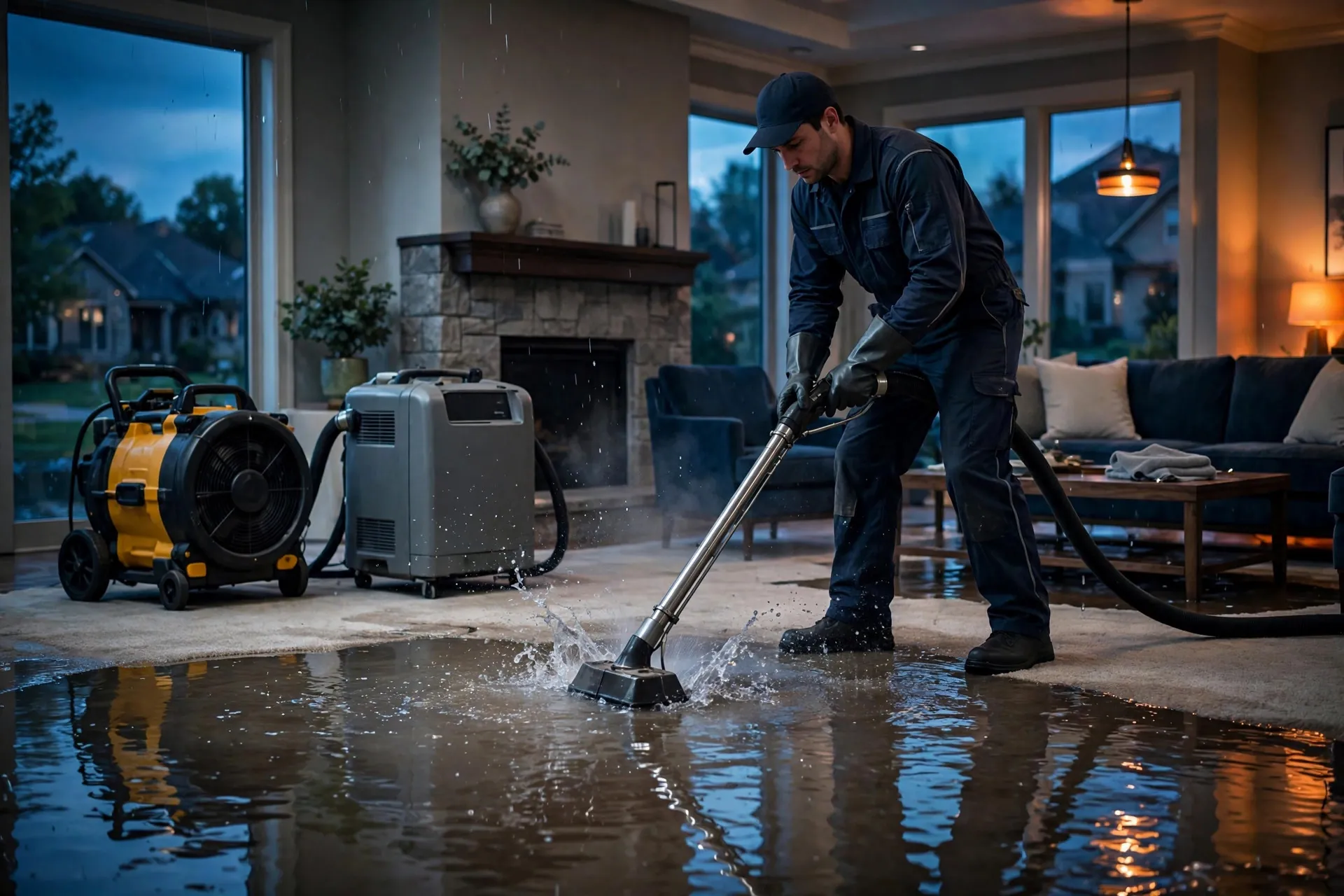
A burst pipe can release water inside walls, ceilings and floors for hours before anyone notices. Our Tulsa crews handle the water damage a burst or frozen pipe leaves behind: locating where the water traveled, removing wet materials that cannot be saved, drying the rest and documenting the loss for your insurer. We answer 24 hours a day and aim to arrive within 60 minutes across Tulsa County.
Need a plumber too? Shut off the water, call a licensed plumber to fix the pipe, and call us at the same time. We can start on the water damage while the plumber repairs the line.
What to Do in the First 30 Minutes After a Pipe Bursts
01
Shut off the main water.
The valve is usually where the line enters the house, near the water heater, in a utility room or crawl space, or at the meter box near the street. Turn it clockwise until it stops.
02
Drain the lines.
Open the lowest faucet and flush a toilet to drain remaining water from the lines and ease the pressure on the break.
03
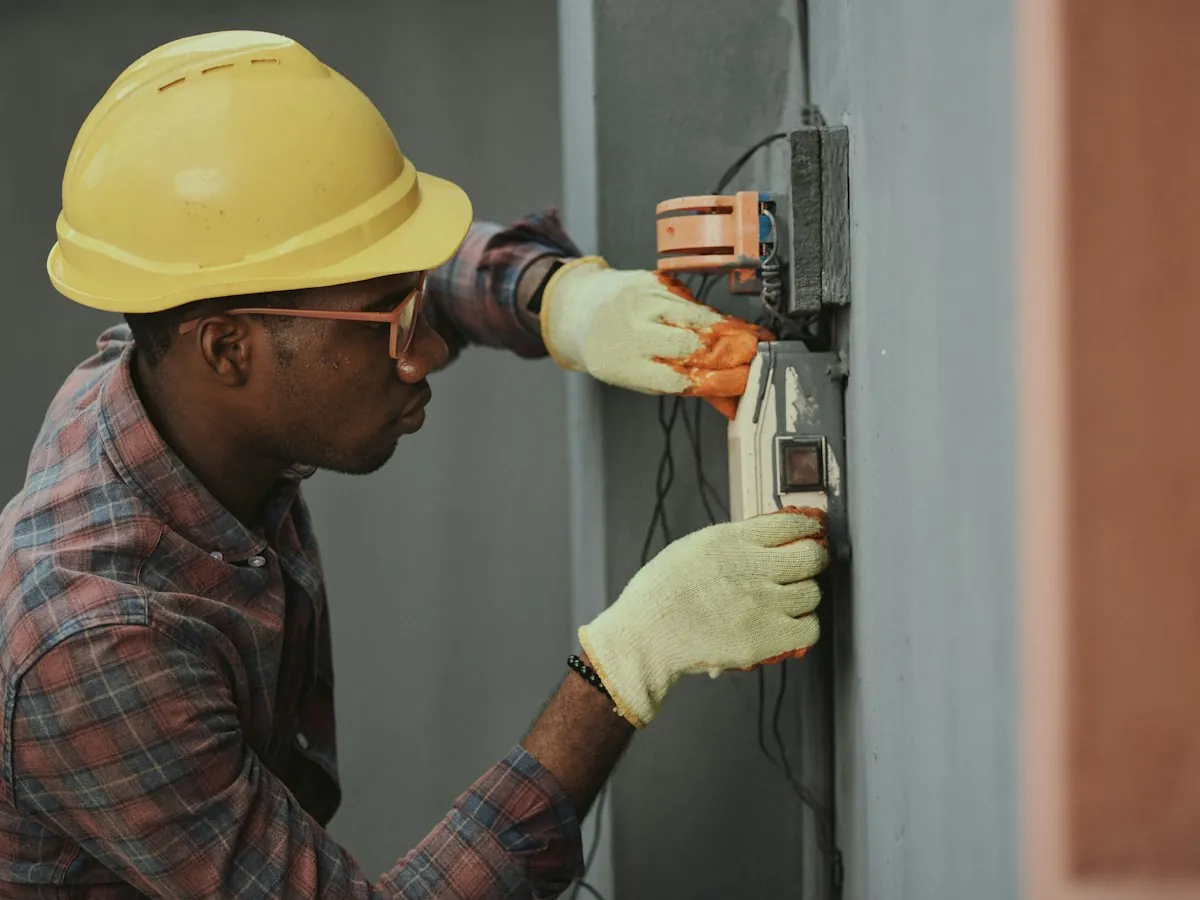
Check for electrical risk.
Turn breakers off only if the panel is dry and you are not standing in water. If water is near the panel or outlets, leave and call PSO or a licensed electrician.
04
Water heater involved?
Turn off its power or gas.
05
Stay out of rooms with a bulging or sagging ceiling.
A ceiling full of water can collapse. Puncture-draining it is best left to a professional.
06
Photograph and video
the water, the broken pipe and damaged items before moving anything.
You do not need to wait for one before calling the other. Starting right away keeps the damage smaller and the claim stronger.
Local Knowledge
Why Pipes Burst in Tulsa
Freezing weather.
Oklahoma cold snaps regularly push temperatures into the teens and single digits, and the February 2021 winter storm sent record-breaking cold across the state. Water expands about 9% when it freezes. That squeezes the pipe from inside and builds pressure between the ice blockage and the closed faucet downstream.
The break often shows up at thaw.
A frozen pipe commonly splits while frozen, but the water only starts flowing when the ice melts. Many homeowners find the flood hours after the temperature rises, sometimes when no one is home.
Older Tulsa neighborhoods like Midtown, Maple Ridge, Florence Park, Brookside and Cherry Street have homes with galvanized, older copper and cast-iron systems that corrode from the inside and fail suddenly.
High water pressure and failing fittings.
Pressure above about 80 psi, worn washing machine and toilet supply lines, and failed water heater connections all cause bursts without any freeze.
Shifting clay soil.
Tulsa's clay swells when wet and shrinks when dry. Over years, this movement can strain lines running under or through a concrete slab and cause slab leaks, especially in slab-on-grade homes.
Know Your Pipes
Pipe Materials How Each Fails
Pipe type
How it commonly fails
Where you often see it
Copper
Freeze splits along the length, pinhole leaks from corrosion
Many homes from the 1960s on
PEX
Handles freezing better, but fittings and connections can fail
Newer construction and repipes
CPVC
Becomes brittle in cold and can crack at fittings
Homes from the 1980s onward
Galvanized steel
Rusts from the inside, loses pressure and can burst
Older homes, often pre-1960
Polybutylene
Prone to failure, and some insurers restrict coverage
Homes built roughly 1978 to 1995
Cast iron (drains)
Cracks and corrodes, causing leaks and backups
Older homes
If your home has older or polybutylene piping, a plumbing inspection is worth considering after any leak.
Follow the Water
Where the Water Goes What a Burst Pipe Damages
Pressurized water does not stay in one place. It follows framing, wicks into drywall and runs down to lower levels.
Attic and ceiling pipe
water pools on top of ceiling drywall and insulation, then sags or collapses the ceiling.
Wall pipe
water soaks insulation and saturates drywall and framing from the inside. Damage may stay hidden behind paint.
Slab or under-floor pipe
moisture rises through the slab, damages flooring and can spread under walls.
Crawl space or exterior pipe
water collects under the floor, soaks insulation and the subfloor.
Upstairs bathroom or kitchen
water runs through the floor into the rooms below.
A commonly cited estimate is that a crack as small as 1/8 inch under normal home pressure can release hundreds of gallons in a day. A full split releases far more.
Catch It Early
Signs of a Hidden Pipe Leak
Water bill suddenly higher with no change in use
The sound of running water when everything is off
Water meter dial moving while all fixtures are off
Damp spots, stains or bubbling paint on walls or ceilings
Musty smell, especially in a closed room or closet
Warped baseboards, cupped flooring, soft drywall
Low water pressure
Warm spots on the floor, which can indicate a hot water slab leak
Simple meter check: turn off every fixture and appliance, then watch the meter. If it keeps moving, there is a leak somewhere.
How We Work
Our Process for Burst Pipe Water Damage Cleanup
01
Safety and source check.
We confirm the water is shut off and check for electrical hazards and unstable ceilings.
02
Find where the water went.
Moisture meters and a thermal camera show wet areas behind walls and under floors, so we do not guess or cut blindly.
Soaked insulation, sagging ceiling drywall and swollen materials are removed in a controlled way. Sound materials stay.
05
Dry the structure.
Air movers, dehumidifiers and wall-cavity drying are used to dry framing and drywall. See Water Mitigation.
06
Daily monitoring.
Moisture readings are logged until materials are dry compared with unaffected reference areas.
07
Documentation.
Photos, moisture maps and drying logs for your insurance claim.
08
Repairs.
Drywall, flooring and paint once materials test dry, as needed.
Room by Room
Walls, Ceilings and Slab What We Do in Each
Water Inside Walls
Clean-water, intact drywall can often be dried in place. We remove baseboards and make small access openings to move air through the cavity. When insulation is soaked, or the wall has been wet beyond about 48 hours, we cut out the wet section, usually 12 to 48 inches above the floor, and let the studs dry before new drywall goes in.
Water Above the Ceiling
Water trapped above ceiling drywall can bow it and bring it down. We drain and remove the sagging section safely, dry the joists and remove wet insulation above it. See Ceiling & Drywall Water Damage Repair.
Slab and Floor Leaks
Moisture from a leak under the slab can wick into flooring and walls. We check floor and wall moisture, dry the surface materials and confirm readings before new flooring is installed.
Hardwood and Cabinets
Hardwood floors and cabinet bases near a leak are protected and dried early to limit cupping. See Hardwood Floor Drying.
Older home warning: homes built before about 1980 may contain asbestos in plaster, flooring or ceiling texture, and homes before 1978 may have lead paint. Test suspect materials before demolition. Do not scrape or tear out materials yourself.
Insurance Claims
Burst Pipe Water Damage and Your Insurance Claim
Sudden and accidental water discharge, such as a burst pipe, is one of the most commonly covered causes of loss. Gradual leaks often are not.
We provide photos, moisture readings and drying records, and work with your adjuster. Coverage is decided by your insurer. Questions about your coverage? Call (918) 347-0890.
Stay Ahead
How to Prevent Frozen and Burst Pipes in Tulsa
Know where your main shut-off valve is, and test it once a year.
Before a freeze: disconnect and drain garden hoses, cover outdoor faucets, and open cabinet doors under sinks on exterior walls.
Let faucets drip during hard freezes, especially on lines in exterior walls.
Keep the thermostat at 55 F or above, even when away.
Insulate pipes in attics, crawl spaces and garages.
Seal gaps where cold air enters near pipes.
If you travel, shut off the main water and drain the lines, or have someone check the house.
Replace old washing machine hoses and worn supply lines.
If a pipe freezes but has not burst, open the faucet and warm it gently with a hair dryer or heating pad. Never use an open flame.
Whether water reached the ceiling, walls or floors below
Amount of drying equipment and number of days
Whether insulation or drywall must be removed
Water category (clean supply water is usually Category 1 but can worsen if left)
Water from a clean supply line is easier and cheaper to deal with if handled in the first day or two. Waiting increases removal and mold risk.
Burst Pipe FAQ
Burst Pipe Water Damage FAQ
Often yes, when the break was sudden and accidental. The resulting damage is commonly covered, while the pipe repair itself, gradual leaks and flood from outside may not be. Check your policy and call your insurer.
Look near the water heater, in a utility room, a crawl space or a basement, or where the main line enters the house. There is also a valve at the meter box near the street, which may need a meter key. Learn the location before an emergency.
Sometimes. Clean-water, intact drywall caught early can often be dried in place. Soft, swollen or contaminated drywall, and soaked insulation, are removed.
Shut off the main water, drain the lines, check electrical safety, photograph the damage, move valuables and call a plumber and a water damage company.
Both, at the same time. The plumber stops and repairs the leak, and we handle the water damage. Starting both right away limits damage.
Pipes often crack while frozen, but the water only flows when the ice melts. That is why floods are often discovered after temperatures rise.
Usually 3 to 5 days for most homes, longer for ceilings, plaster, hardwood or concrete. We confirm dryness by readings.
Yes. Wet materials can start growing mold in 24 to 48 hours, especially inside walls where moisture is trapped. See Mold Remediation.
Yes. Hidden water keeps soaking insulation, drywall and framing and can cause mold and structural damage.
If water is near outlets, wiring or the panel, treat it as a hazard. Turn off breakers only if you can do so safely without standing in water. Otherwise, call PSO or an electrician.
Shut off the water as soon as you can. Have someone check the home if possible, then call us. Tell your insurer about the vacancy, since some policies have conditions.