
Attics
roof leaks, poor ventilation, condensation on roof decking and insulation
Negative-Air Containment & Physical Hyphae Root Removal.
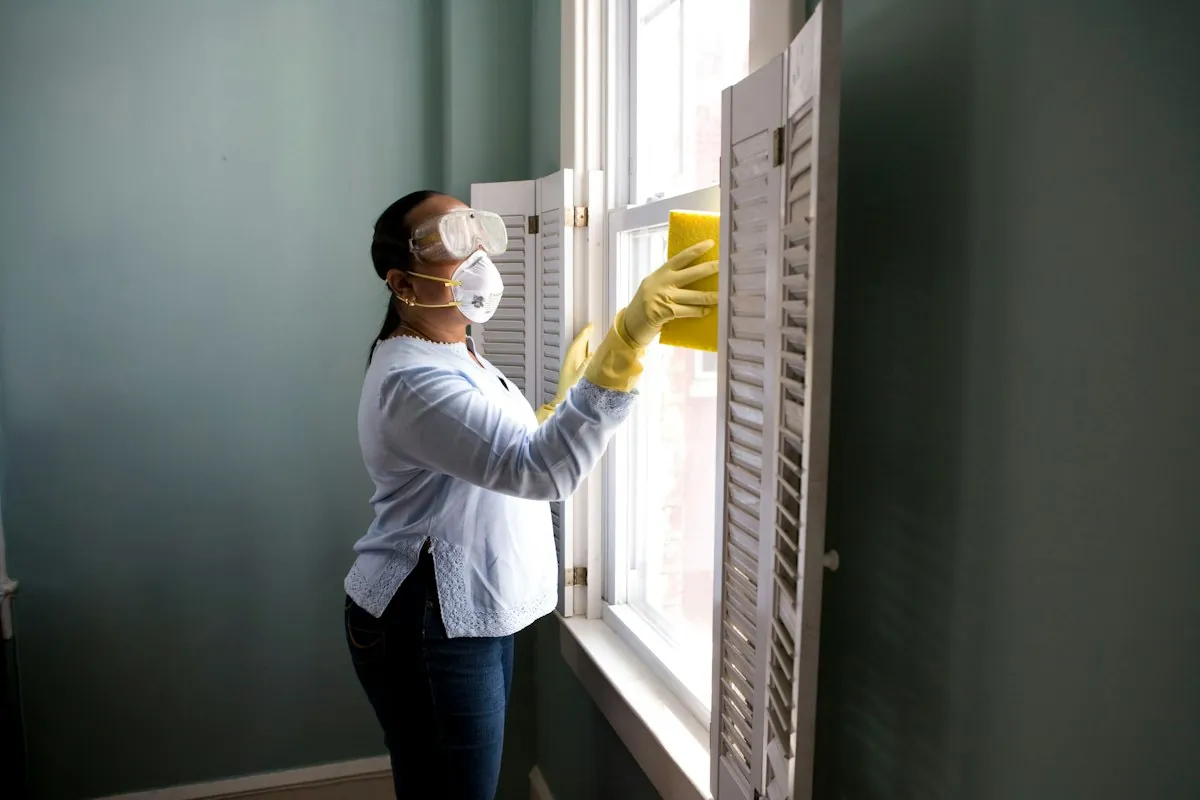
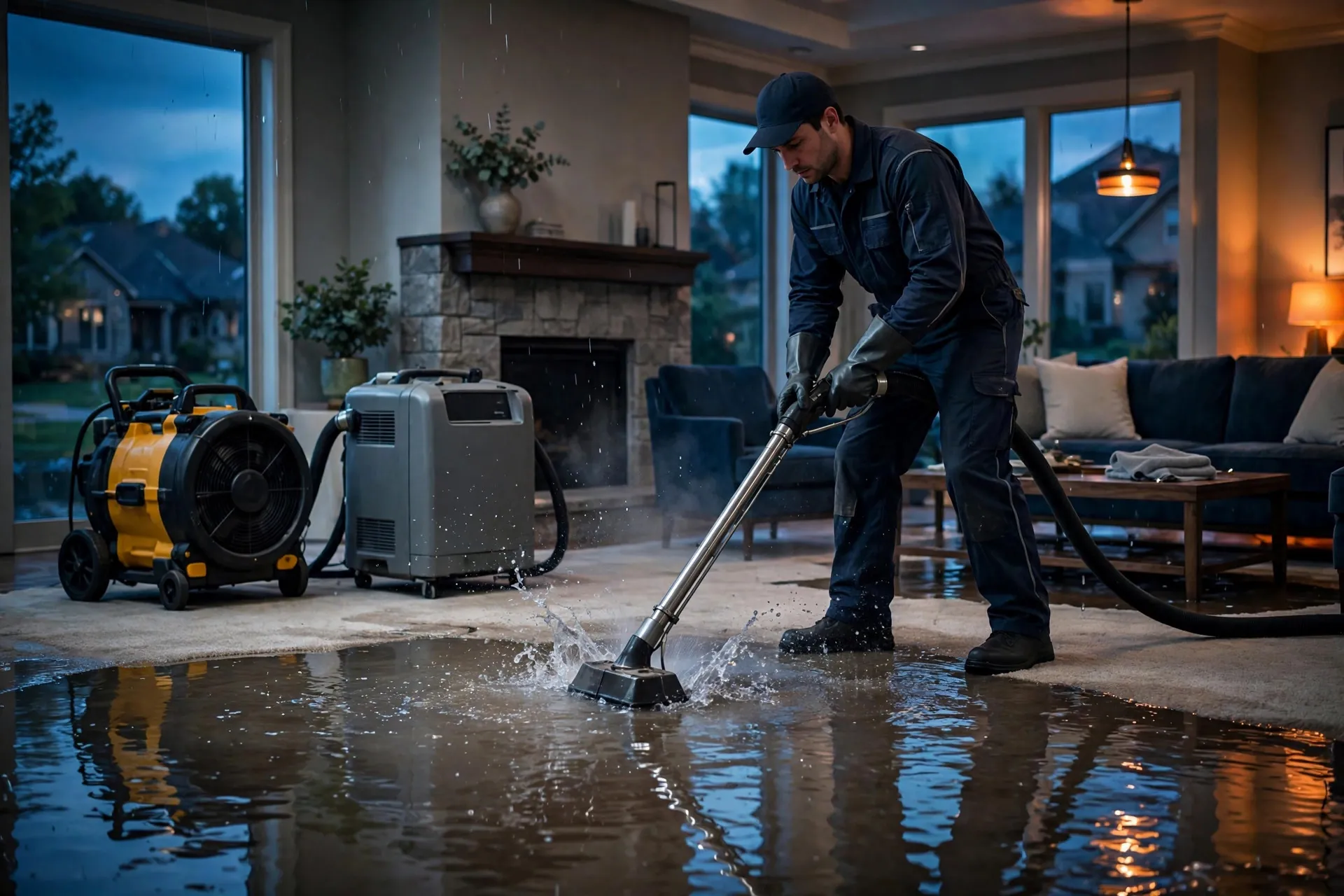
Mold grows where there is moisture, so lasting mold remediation always starts with finding and fixing the water. Our Tulsa crews contain the affected area, remove materials that cannot be cleaned, physically clean what can be saved, dry the structure and verify the result. The goal is to return the space to normal indoor conditions, not to spray a chemical over the problem. We answer 24 hours a day.
Honest Guidance
| Situation | Typical approach |
|---|---|
| Small patch (under about 10 sq ft) on a hard surface, like a shower wall | Many homeowners clean it with detergent and water, wearing protection, and fix the moisture |
| Larger area (roughly over 10 sq ft) | Professional remediation is recommended |
| Mold inside walls, ceilings, ductwork or insulation | Professional |
| Mold after sewage or flood water | Professional |
| Anyone in the home with asthma, allergies, a weak immune system or lung disease | Professional, and consult your doctor |
| Mold keeps returning | Professional, and the moisture source has not been found |
| You are not sure what it is | Professional assessment. See Mold Inspection & Testing |
These sizes follow EPA guidance. Moisture is the real issue, not the size of the patch.
What It Really Means
Mold spores are in all air, indoors and outdoors, so mold cannot be completely eliminated. Remediation means removing and cleaning active mold growth and fixing the moisture cause so that the indoor environment returns to normal. Mold removal is used by most people to mean the same thing.
ANSI/IICRC S520 describes three conditions:
| Condition | Meaning |
|---|---|
| Condition 1 (normal) | Normal fungal ecology: no growth, only the usual background spores |
| Condition 2 (settled spores) | Spores have settled from a nearby source but are not growing |
| Condition 3 (actual growth) | Mold is actively growing, with associated spores |
Remediation returns Condition 2 or 3 areas to Condition 1.
How We Work
We locate the leak, condensation or humidity cause and confirm it is stopped or being fixed. Without this, the mold returns.
We set a scope, protect occupants and belongings, and turn off the HVAC in the work area.
Poly sheeting seals the area, registers are covered and air scrubbers with HEPA filters create negative air pressure so spores do not travel into clean rooms.
Moldy drywall, insulation, carpet, padding and ceiling tile are cut out, bagged in containment and removed.
Wood framing and other solid materials are cleaned with HEPA vacuuming, damp wiping and, where needed, abrasive methods such as wire brushing or sanding with HEPA control.
HEPA air scrubbers run, and surfaces are HEPA vacuumed and wiped.
Dehumidifiers and air movers bring materials to dry standard. See Water Mitigation.
A visual check and moisture readings, and, when appropriate, independent clearance testing.
New drywall, insulation, flooring and paint once everything is dry, as needed.
Chemicals are not the method. Removing and cleaning the mold is. EPA-registered antimicrobial products, if used, follow the label and are a supplement, not a substitute.
Save or Remove
| Material type | Examples | Typical action |
|---|---|---|
| Porous | Drywall, insulation, ceiling tile, carpet, padding, paper | Usually removed and discarded if mold is growing in it |
| Semi-porous | Wood framing, concrete, plywood | Cleaned, often with HEPA vacuuming and abrasion, then dried |
| Non-porous | Metal, glass, tile, hard plastic | Cleaned with HEPA vacuuming and wiping |
Mold on a hard surface sits on top. In a porous material, it grows into the material, which is why those materials come out.
Common Mistakes
Room by Room
roof leaks, poor ventilation, condensation on roof decking and insulation
damp soil, missing vapor barrier, wet insulation, rim joists and floor joists
poor ventilation, shower leaks, wet drywall
leaks under sinks, dishwasher and refrigerator lines
groundwater, flooding and humidity. See Flooded Basement & Crawl Space Cleanup
hidden plumbing leaks. See Burst & Frozen Pipe Cleanup and Ceiling & Drywall Water Damage Repair
condensation on ducts and around air handlers
moisture trapped under flooring. See Hardwood Floor Drying
Mold in ductwork or HVAC equipment needs specific handling. We will tell you what is needed.
Local Knowledge
Summer dew points in Oklahoma are often in the 70s F. Cold air-conditioning ducts running through hot attics can sweat, wetting insulation and ceilings.
Midtown, Maple Ridge, Florence Park, Brookside and Cherry Street have many older homes over crawl spaces where damp soil releases moisture beneath floors.
Hail, wind and heavy rain cause slow roof leaks that wet attic insulation and ceilings for weeks.
Mold can start on wet materials in about 24 to 48 hours. See Water Mitigation.
Wet clay and heavy rain push moisture into foundations and lower levels.
Showers, cooking and laundry without ventilation raise indoor humidity. The EPA suggests keeping indoor humidity between about 30 and 50%, and below 60%.
Your Safety
If anyone in your home feels unwell, speak to your doctor. We cannot diagnose health effects.
Done Right
Verification. A completed job should show: no visible mold, no musty odor, dry materials by readings and the moisture source corrected. When appropriate, clearance testing compares indoor air with outdoors. See Mold Inspection & Testing.
Independence. Industry guidance recommends that clearance testing be done by a party separate from the company that did the cleanup, to avoid a conflict of interest. We recommend an independent assessor for clearance testing and can refer one.
Prevent regrowth:
Insurance Claims
Mold coverage is often limited or excluded on homeowners policies. Read your policy's mold language and ask your insurer.
We provide photos, moisture readings and drying records, and work with your adjuster. Coverage is decided by your insurer. Questions about your coverage? Call (918) 347-0890.
Honest Pricing
Fast Response Coverage
Not sure we cover your address? Call (918) 347-0890.
Mold Remediation FAQ
No. Paint hides the stain but does not remove the mold or fix the moisture, and mold often grows through it.
Small patches on hard surfaces often do not. For larger areas, mold inside walls, or any job that will disturb moldy material, containment keeps spores from spreading to clean rooms.
People use them for the same thing. Remediation is the professional process: fixing moisture, containing, removing and cleaning mold and verifying the result. Mold cannot be removed completely because spores are everywhere, so the goal is a normal indoor level.
Look for no visible mold, no musty odor, dry materials and a fixed moisture source. Clearance testing by an independent assessor adds objective confirmation. See Mold Inspection & Testing.
Color does not identify mold. Any indoor mold growth should be addressed. Speak to your doctor about symptoms.
Small, contained jobs often take a few days. Larger jobs, or those with demolition and drying, take longer.
The EPA does not recommend routine use of bleach. Fixing the moisture and physically removing or cleaning the mold is what works. Never mix bleach with ammonia.
It can if the moisture source is not fixed or the area stays damp. Fixing leaks, controlling humidity and drying materials quickly prevent regrowth.
Often limited. Coverage depends on the cause and your policy. Check with your insurer.
Often not, if containment is set up properly. People with asthma, allergies, weak immune systems or lung conditions may prefer to stay elsewhere. For large jobs, we will tell you.
Mold in ductwork or equipment needs specific assessment and cleaning, and the cause of moisture must be fixed. We will advise you.
Yes. We answer 24 hours a day, 7 days a week.
Fix It Right
We fix the moisture, contain the mold and clean it the right way, so it does not come back.
24/7 Helpline
(918) 347-0890