Cupping vs Crowning vs Buckling: What Your Wet Hardwood Floor Is Telling You
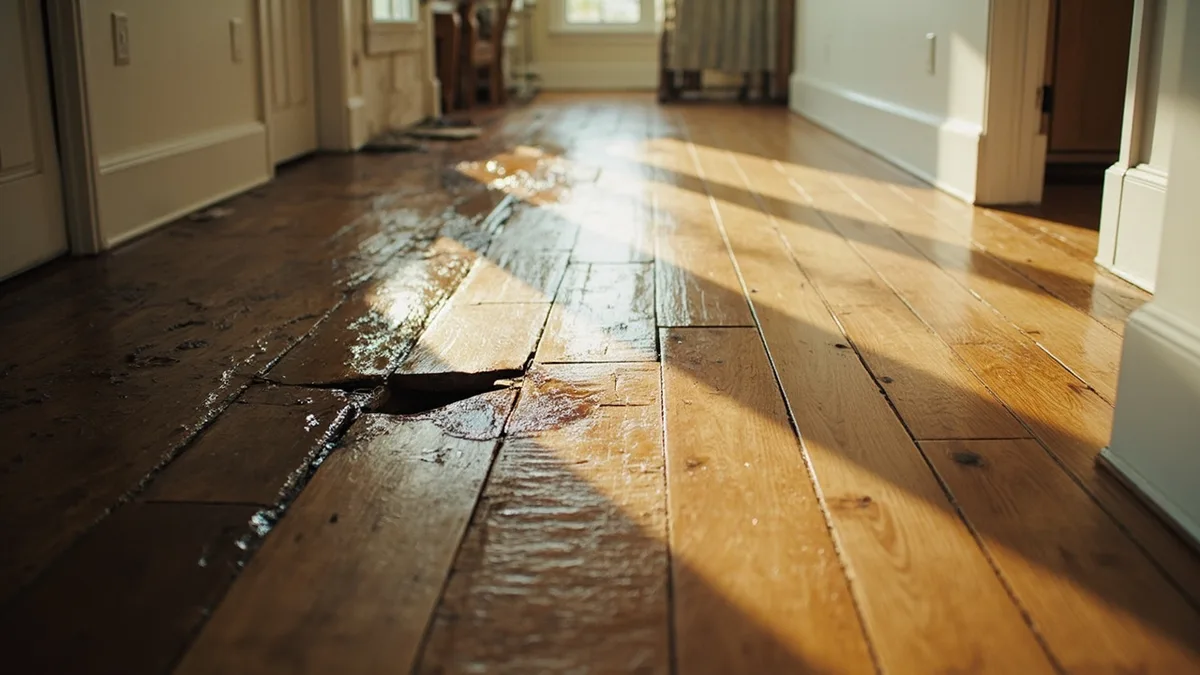
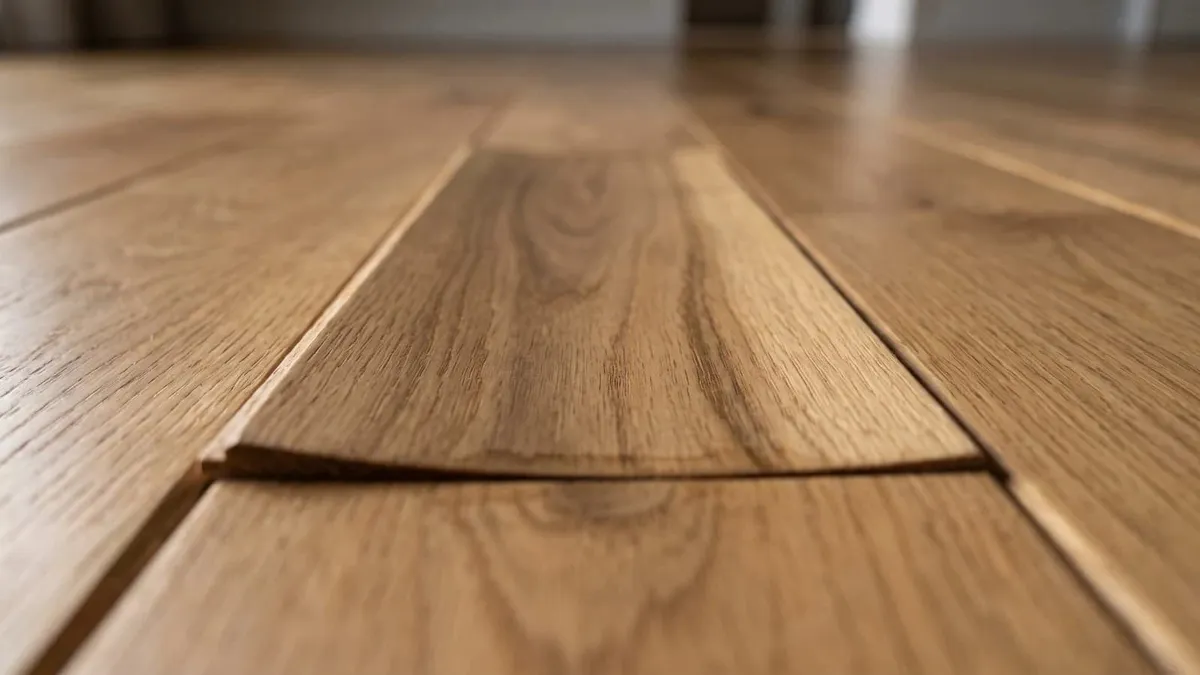
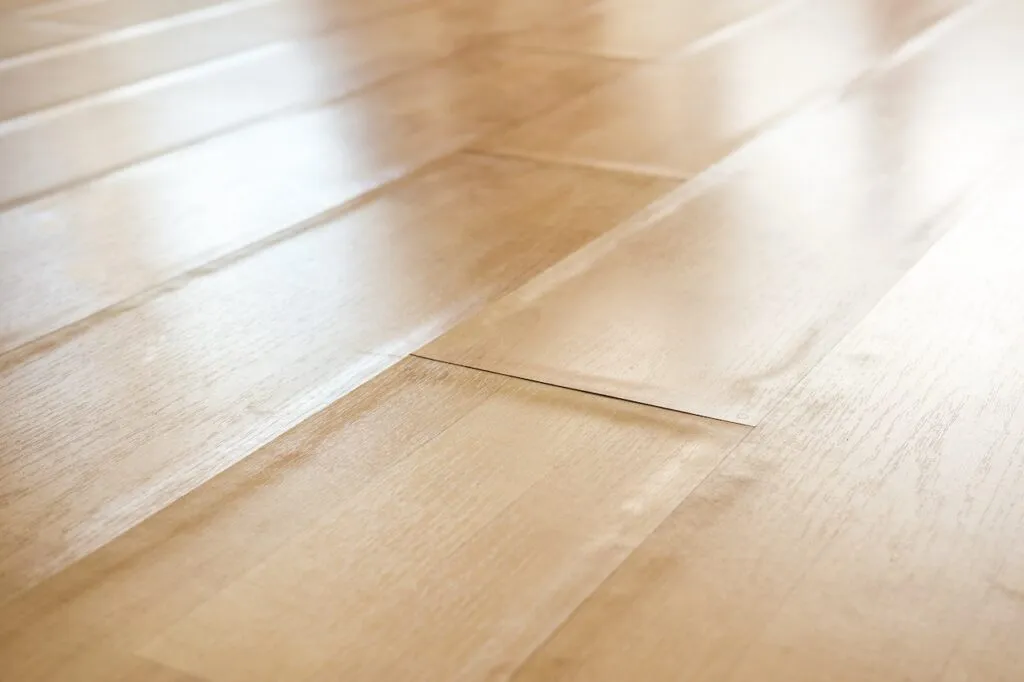
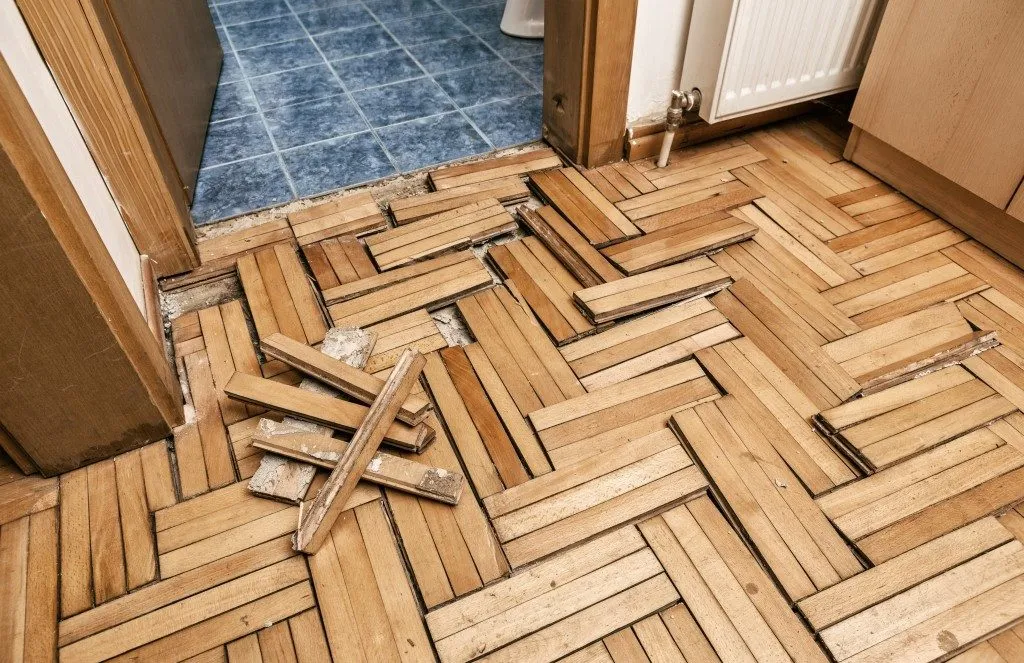
Cupping means the edges of each board sit higher than the center, usually from moisture coming from below. Crowning is the opposite, with the center higher than the edges. Buckling means boards have lifted right off the subfloor. Cupping is often reversible with drying; buckling usually means replacement.
All three come from the same thing: wood takes on moisture unevenly and swells. Where the moisture comes from, and how much, decides which one you see.
Side by Side
| Cupping | Crowning | Buckling | |
|---|---|---|---|
| What it looks like | Edges up, center low, like a shallow U | Center up, edges low, like an upside-down U | Boards lifted inches off the floor |
| Usual cause | Moisture from below: leak under the floor, wet subfloor, damp crawl space, slab moisture | Water on top of the floor, or sanding a cupped floor before it dried | Severe soaking, often from a burst pipe or flood |
| Can it be fixed? | Often, with professional drying | Sometimes, after drying and refinishing | Usually not; boards are replaced |
| What to do first | Find and stop the moisture, start drying | Find the moisture source, do not sand | Stop the water, call for extraction and drying |
Cupping
The bottom of each board is wetter than the top, so the bottom swells more and pushes the edges up. In Tulsa homes, cupping often shows up after a slab leak, a dishwasher or refrigerator line leaking under the floor, a wet crawl space under an older home, or simply high indoor humidity in summer.
What to know: cupping is the floor telling you there is moisture underneath. Fix the source, get professional hardwood floor drying, and many cupped floors flatten out on their own.
Crowning
The top of the board is wetter than the bottom, or the board was sanded flat while still cupped and then flattened as it dried, leaving the middle high. Crowning after a leak usually means the wood dried unevenly or was refinished too early.
What to know: do not sand a crowned floor until the wood and subfloor have reached normal moisture. Read why you should not sand cupped hardwood floors too early.
Buckling
The wood absorbed so much water that the boards pushed against each other and the walls hard enough to pull free of the nails or adhesive. This is common after a burst pipe or a flood that sat for hours.
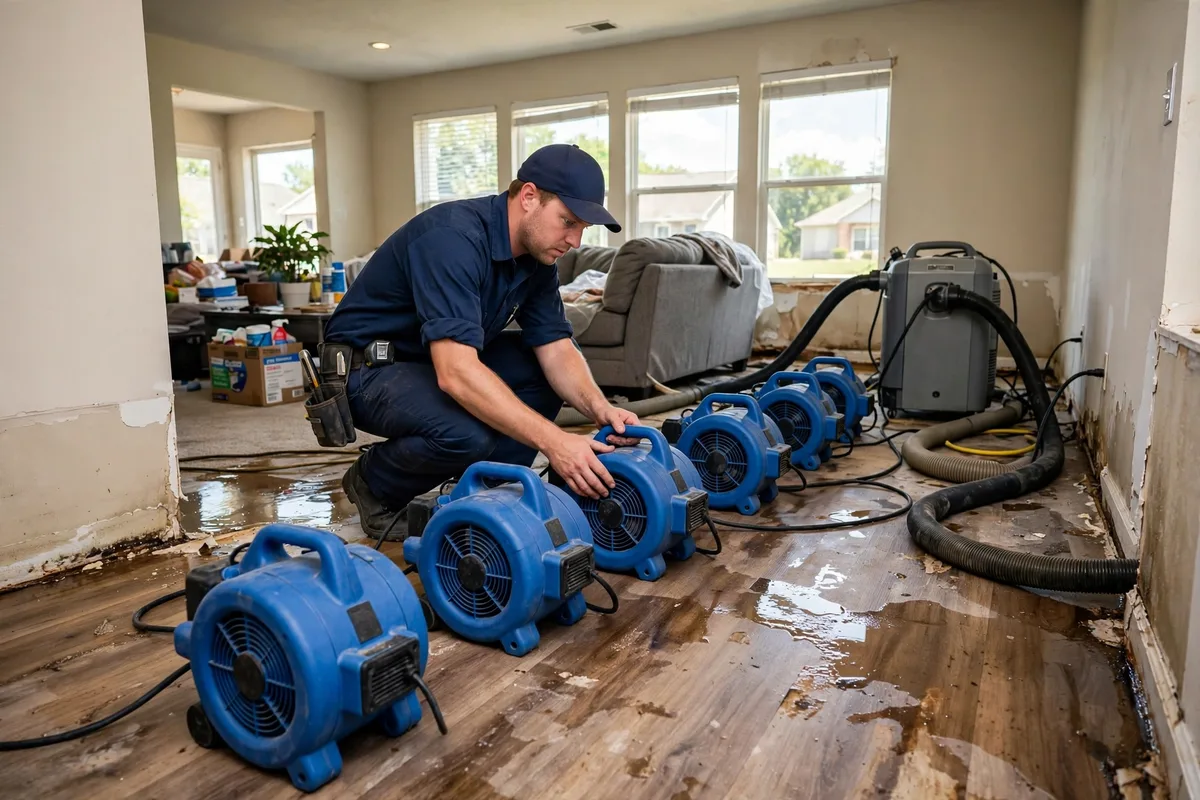
What to know: buckled boards are usually replaced, but the subfloor, walls and baseboards around them still need emergency water extraction and drying, or mold follows.
Other Warning Signs
- Gaps between boards that appear after drying: the wood shrank back past its normal size
- Dark stains along board edges: water sat long enough to react with the wood
- Squeaks or soft spots: the subfloor may be wet or damaged
- Musty smell: moisture under the floor, possibly mold
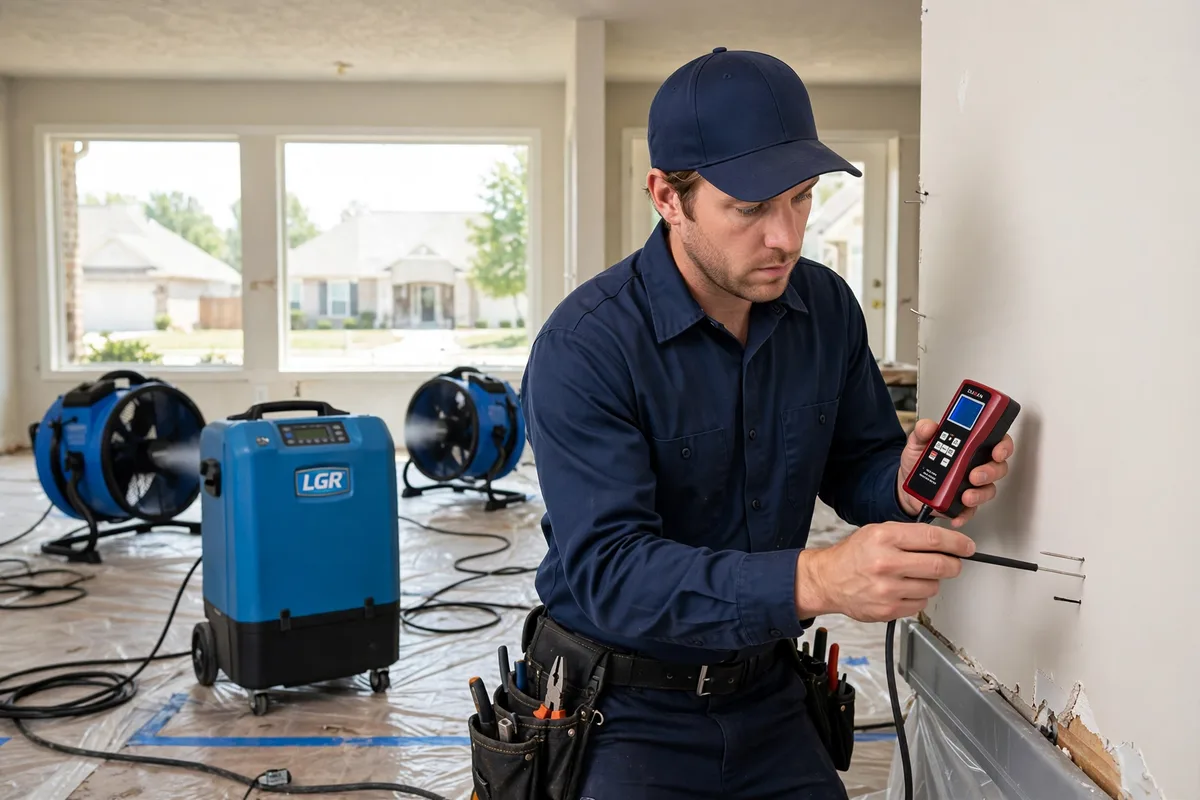
How to Check for Hidden Moisture
Hardwood Damage FAQ
Hardwood Damage FAQ
Many do, partly or fully, once the wood and subfloor reach normal moisture. Some need light sanding afterward.
High indoor humidity, a damp crawl space or moisture rising through a slab. Tulsa's humid summers can do it on their own in homes without good humidity control.
If a sudden event like a burst pipe caused it, the floor is commonly covered by Oklahoma homeowners policies. Gradual moisture problems often are not. Your insurer decides.
You can stop the water and lower humidity, but deep moisture in the boards and subfloor needs professional equipment to remove evenly. That is what water damage drying in Tulsa is built for.
Do Not Wait
Cupped or Buckled Hardwood in Tulsa? Call Now.
Call (918) 347-0890 and a hardwood floor drying crew is dispatched immediately anywhere in the Tulsa metro.
24/7 Emergency Helpline
(918) 347-0890Keep Exploring