Appliance Leak Water Damage in Tulsa, OK Emergency Cleanup for Washer, Dishwasher, Fridge and Sink Leaks
Washer, Dishwasher, Fridge & Sink Leak Cleanup.
Most household water damage does not start with a storm. It starts with a $10 supply hose behind the washing machine, a dishwasher seal, a pinhole in a refrigerator ice maker line, or the drain under a kitchen sink. These leaks run inside cabinets and under flooring where nobody looks, and they often keep running for hours.
Our appliance leak water damage crews in Tulsa remove the water, open up cabinets and toe-kicks, dry the subfloor and walls, and document it all for your insurer. Call (918) 347-0890 and a crew is dispatched immediately.
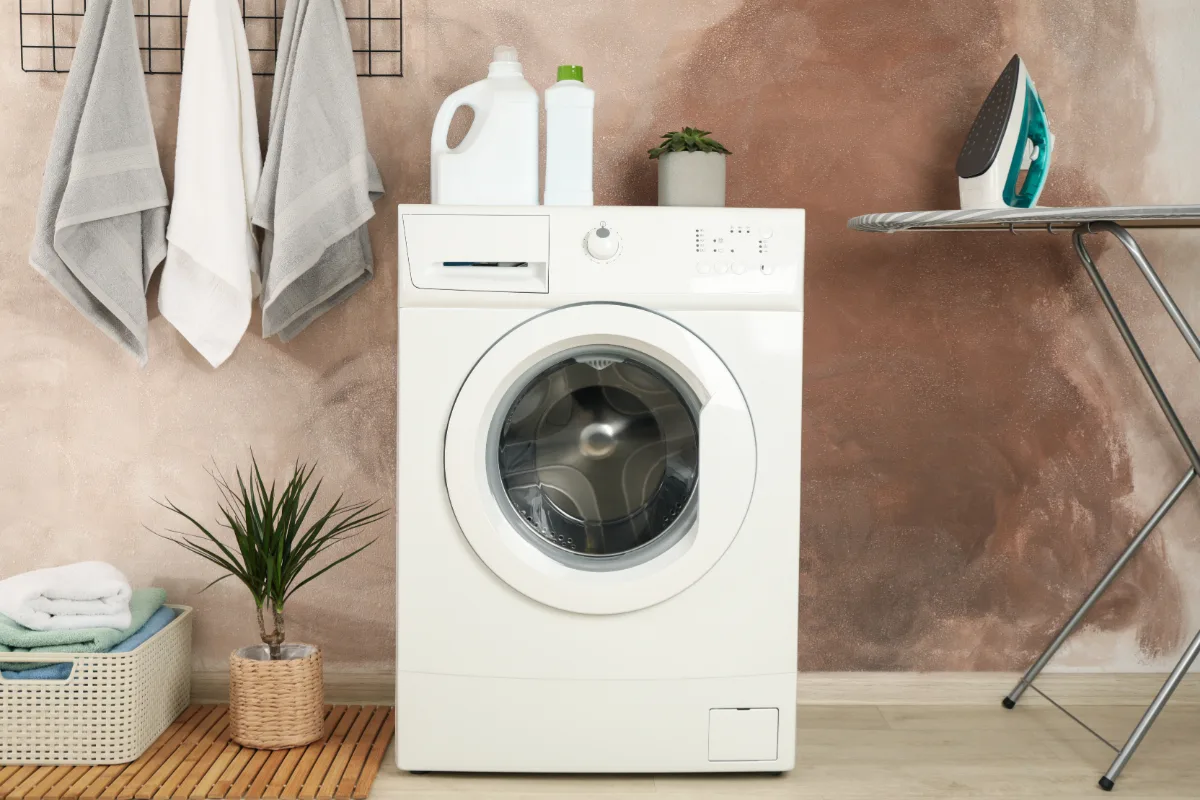
A burst fill hose can push several gallons a minute until the valve is shut. Laundry rooms often share walls with kitchens, halls and bedrooms, so water travels under baseboards into the next room. Drain water from a washer is gray water and needs cleaning, not just drying. Shut-off: the two valves behind the machine.
Dishwasher Leak
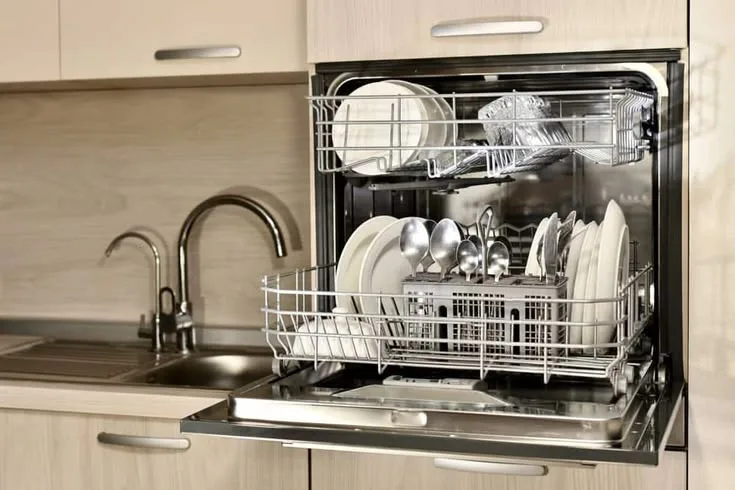
Dishwasher leaks come from the door gasket, the supply line or the drain hose. The water runs under the unit and soaks the subfloor and the cabinet bases on both sides, usually out of sight until the flooring lifts. Shut-off: the valve under the kitchen sink.
Refrigerator and Ice Maker Line Leak
Thin plastic ice maker lines crack, and the fitting at the back loosens when the fridge is moved. A slow drip can run for weeks behind and under the refrigerator before it warps the floor. Shut-off: the valve behind the fridge or under the sink.
Kitchen and Bathroom Sink Leak
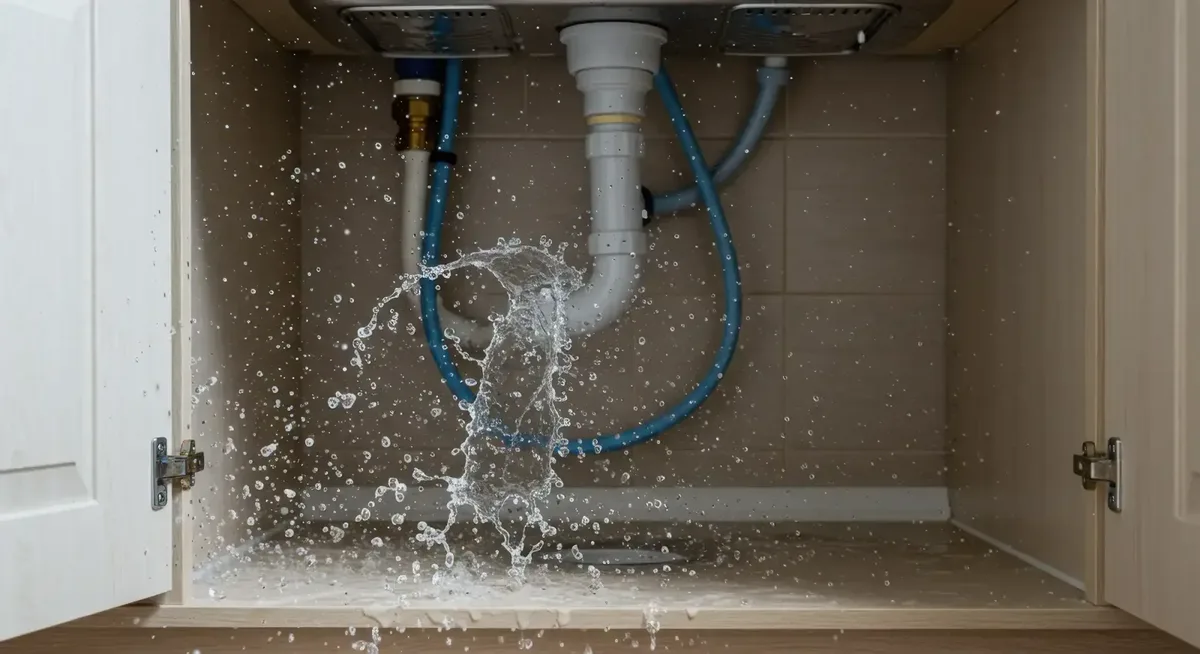
Loose drain fittings, garbage disposal seals and supply lines leak inside the sink cabinet. Particleboard cabinet floors soak it up and swell. Shut-off: the two valves under the sink.
Toilet Supply Line Leak
The flexible line between the wall valve and the tank can split without warning, sending clean water across the bathroom and into the hallway. Shut-off: the valve behind the toilet.
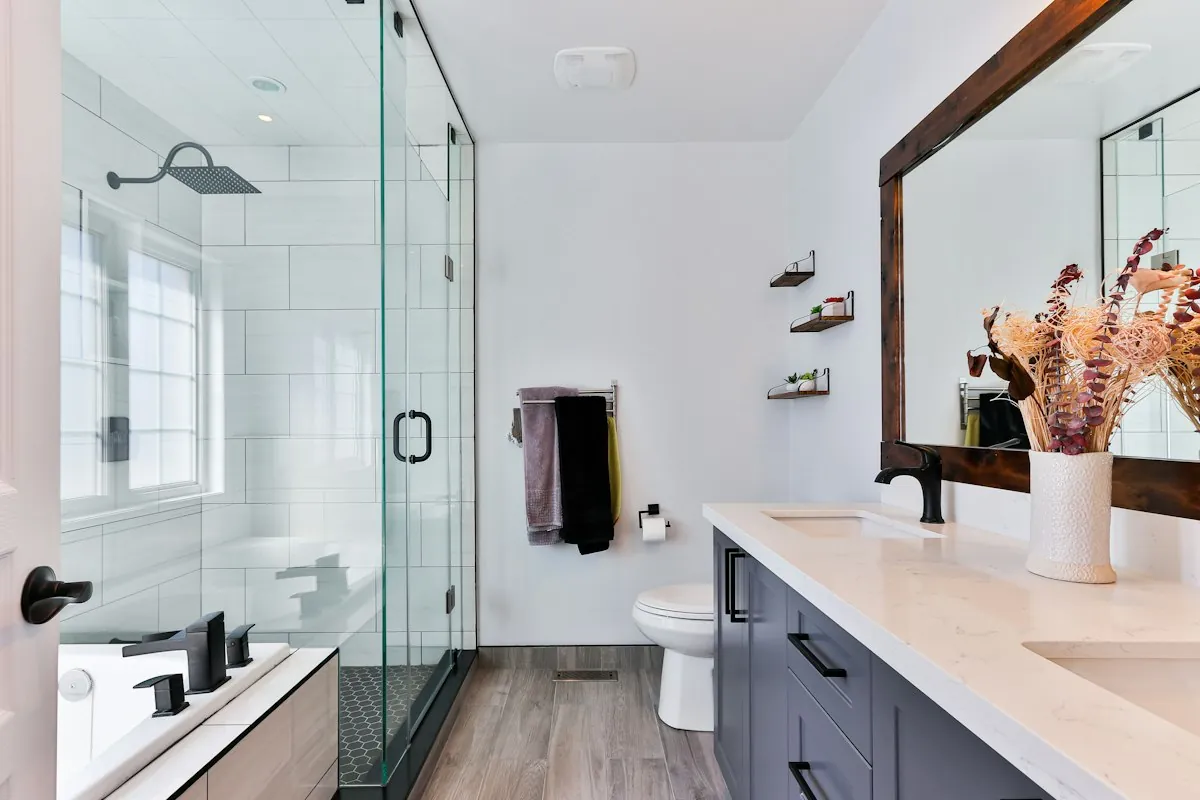
Bathtub and Shower Overflow
A tub left running or a clogged shower drain overflows onto the floor, and water seeps through to the ceiling below in two-story homes. Shut-off: turn off the faucet and open the drain.
Clean and treat surfaces, remove soaked carpet pad
Water left standing for days
Can turn into Category 2 or 3
More materials must be removed
Toilet bowl overflow with waste
Category 3
Handled as sewage cleanup
Behind the Cabinets
The Hidden Damage, Cabinets and Subfloor
Kitchen and bathroom cabinets sit on the subfloor, and many have flooring installed around them, not under them. Water from a dishwasher or sink runs underneath and stays trapped. If it is not dried quickly, particleboard swells and falls apart, and the dark space behind the toe-kick is an ideal place for mold.
We pull toe-kicks, drill small vent holes where needed, and dry the cabinet bases and subfloor in place, so cabinets often do not need to be torn out.
Prevention
Supply Hoses, What Fails and What Lasts
Hose Type
Typical Use
Weak Point
Black rubber
Older washers
Cracks and bursts with age; replace every 5 years
Braided stainless steel
Washers, sinks, toilets
Much stronger; inspect fittings for corrosion
Plastic or vinyl tubing
Ice makers
Cracks easily, especially when the fridge is moved
Copper tubing
Ice makers
Kinks and pinholes over time
Swapping rubber washer hoses for braided stainless is one of the cheapest ways to prevent a flood.
How We Work
Our Appliance Leak Water Damage Process
01
Stop and assess.
Confirm the water is off and check for electrical risk around the appliance.
02
Extract.
Remove standing water from the floor, cabinets and nearby rooms.
03
Find the spread.
Moisture meters and thermal imaging show water under flooring and inside walls next to the appliance.
04
Open what traps water.
Toe-kicks come off, wet baseboards come out, and soaked pad or laminate is removed.
05
Clean gray water.
Surfaces touched by washer or dishwasher drain water are cleaned and treated.
06
Dry.
Air movers and dehumidifiers dry the subfloor, cabinets and wall bottoms, following the IICRC S500 standard.
07
Rebuild.
Baseboards, flooring and cabinet parts are put back once readings reach dry standard.
Insurance Claims
Appliance Leaks and Homeowners Insurance
Most Oklahoma homeowners policies cover sudden water damage from a burst supply line or failed appliance, such as wet floors, cabinets and drywall. The broken appliance itself is usually not covered.
We document the water source, every wet area and every drying reading for your adjuster. Your insurer decides coverage. Questions about your coverage? Call (918) 347-0890.
Honest Pricing
What Affects the Cost of Appliance Leak Cleanup
Clean supply water or gray drain water
How long it leaked before someone noticed
Whether water got under cabinets or into a second room
Flooring type (laminate and hardwood take more work)
Whether the leak was upstairs and reached a ceiling below
A burst fill hose can release several gallons per minute until the valves behind the machine are closed. An hour can mean hundreds of gallons.
Often, yes, if drying starts quickly. We open the toe-kicks and dry the cabinet bases in place. Particleboard that has already swollen usually needs replacing.
A slow ice maker line leak is the most common cause. Water runs under the fridge and into the flooring for weeks before it shows.
Water from the fill hose is clean. Water from the drain, or water that sat in the tub, is gray water and needs cleaning and treatment along with drying.
Sudden leaks from a burst hose or failed appliance are commonly covered for the resulting water damage. The appliance itself usually is not. Your insurer decides.
Most appliance leaks take 2 to 4 days to dry. Jobs with water under cabinets or hardwood can take longer.
Turn off the water to the appliance, then call (918) 347-0890. An appliance leak water damage crew is dispatched immediately, any hour, anywhere in Tulsa County.