Storm Damage Cleanup in Tulsa, OK Emergency Storm Water Damage Removal, 24/7
Wind, Hail & Flash Flood Response.
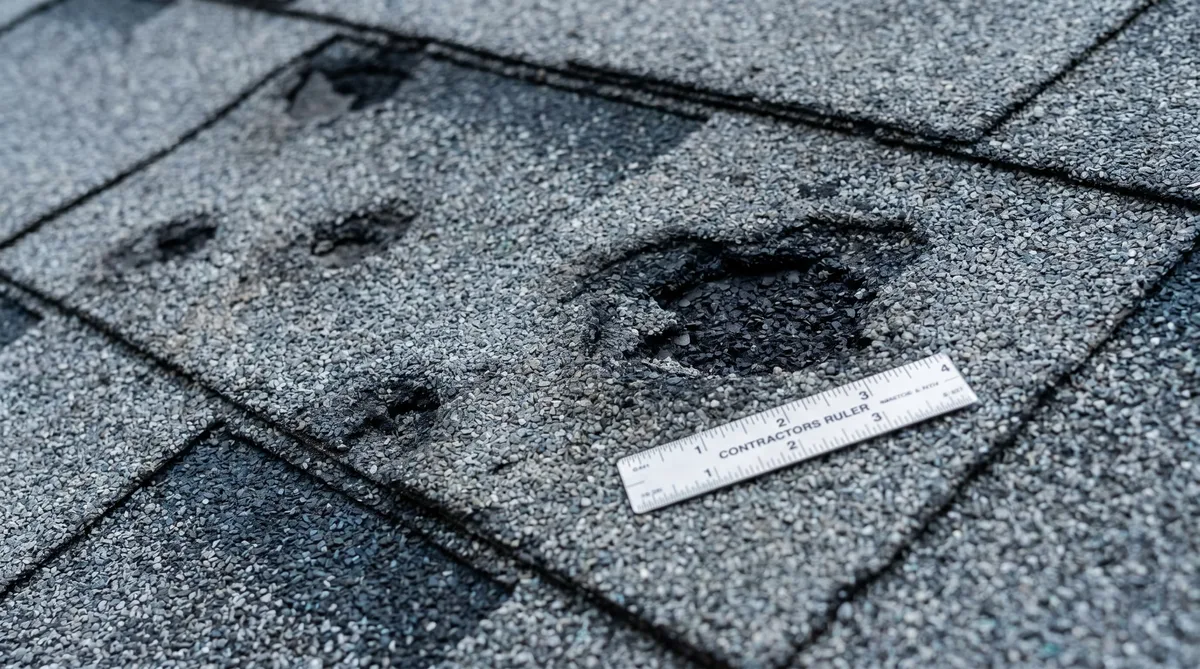
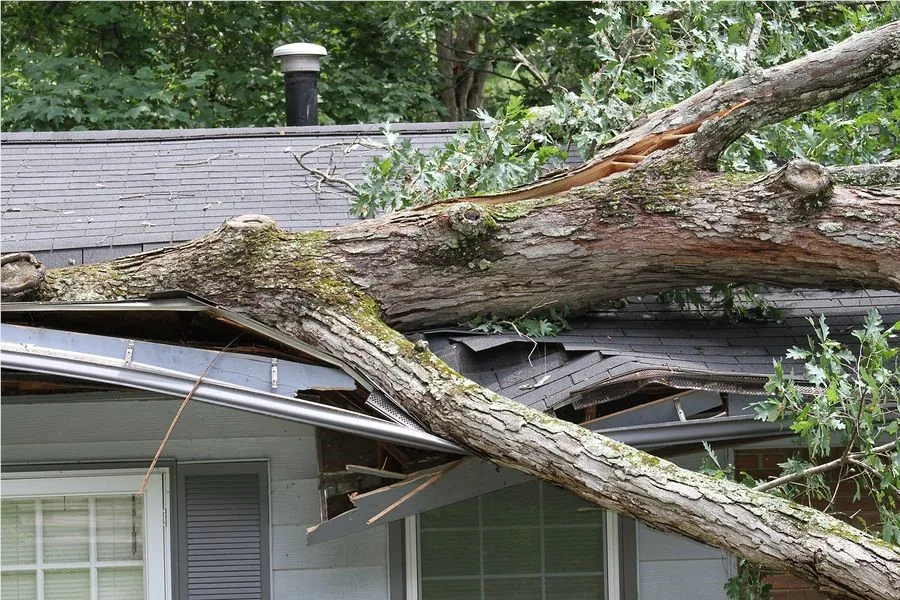
Hail cracks a roof, wind lifts shingles and flashing, and sideways rain gets pushed past windows and doors. Flash flooding can also bring water in at the slab, the garage and low entries. Our storm damage cleanup crews in Tulsa pull out that water, track where it went inside walls, ceilings, insulation and floors, and dry the structure before swelling and mold set in. When you call (918) 347-0890, a crew is dispatched immediately. We aim to be on-site within 60 minutes across most of the Tulsa metro, depending on distance and what the storm did to the roads.
Storm water inside your home right now? Call (918) 347-0890, day or night.


Act Fast
What to Do in the First Hour After Storm Water Gets Inside
- 01
Keep clear of standing water.
Keep clear of standing water near outlets, cords or appliances. If you can reach the breaker panel without stepping in water, shut off power to the wet rooms.
- 02
Stay out from under a sagging or bulging ceiling.
It may be holding gallons of water and can drop without warning.
- 03
Photograph everything before you move it.
Start outside with missing shingles, dented gutters and broken windows, then shoot every wet room.
- 04
Catch active drips.
Set buckets under them. A small hole at the lowest point of a bubbled ceiling stain drains the water to one spot.
- 05
Lift furniture, rugs and electronics off wet floors.
Put foil or wood blocks under legs you cannot move.
- 06
Keep the HVAC off.
Keep the HVAC off if water reached the air handler or ductwork.
- 07
Call us, then call your insurance company.
Water removal and drying can begin while the claim is opened.
Why Speed Matters
How Soon Should Storm Water Be Removed From a Tulsa Home
The same day. Wet drywall, insulation and subfloor begin breaking down within hours, and mold can start on damp materials within 24 to 48 hours in Tulsa's humid weather.
Know the Cause
Which Storm Did This How Each One Gets Water Inside
Tulsa gets several kinds of severe weather, and each one finds a different way in. The cause tells us where hidden moisture is, and it tells your adjuster how to classify the loss.
| Storm Type | How Water Gets In | What Usually Gets Wet | What We Check First |
|---|---|---|---|
| Hailstorm | Bruised or cracked shingles, damaged roof vents and skylights, dented flashing | Attic insulation, ceiling drywall, top plates of walls | Attic decking, insulation and ceiling cavities |
| Straight-line wind | Lifted shingles, torn flashing, broken windows, siding pulled loose | Exterior walls, window framing, upstairs ceilings | Wall cavities below windows, sill plates |
| Wind-driven rain | Water forced sideways past window seals, door thresholds and siding laps | Drywall below windows, baseboards, carpet pad along outside walls | The bottom 12 inches of exterior walls |
| Tornado or falling tree | Roof breach, broken glass, openings in the structure | Everything near the opening, contents included | Safety first, then how far the water spread |
| Flash flooding | Surface water entering at doors, garages, slab edges and low entries | Flooring, lower drywall, cabinets, furniture | Water category and contamination level |
| Ice storm | Ice dams backing water under shingles, limbs through the roof | Ceilings and tops of exterior walls | Attic, eaves and soffits |
Hidden Moisture
Where Storm Water Hides After the Rain Stops
A small ceiling stain can sit under a soaked attic, and a floor that looks dry can hide wet pad and subfloor. We find it with thermal imaging and moisture meters in places like these:
- Attic insulation: wet fiberglass and cellulose lose their insulating value and hold water against the ceiling.
- Inside exterior walls: wind-driven rain runs down the cavity and soaks the bottom plate and drywall.
- Under carpet and pad: the carpet dries on top while the pad stays saturated.
- Under laminate, vinyl plank and hardwood: water spreads beneath the planks into the subfloor.
- Window and door framing: water that got past the seals soaks into jambs and framing.
- Behind cabinets and baseboards: water wicks up from the floor where nobody looks.
- Ductwork in the attic or crawl space: wet ducts carry moisture and odor through the house.
How We Work
Our Storm Damage Cleanup Process in Tulsa
- 01
Safety Check and Stopping New Water.
We check for electrical hazards, failing ceilings and openings still letting rain in. If the roof or windows are open, we coordinate with licensed local roofing and board-up partners to close them so drying is not undone by the next shower.
- 02
Moisture Mapping.
Thermal imaging and moisture meters show every wet area, including the hidden ones. That map guides the job and goes into your insurance file.
- 03
Water Extraction.
Standing water comes out of floors, carpet and pad with extraction equipment. Flood water that came in from outside is handled as contaminated.
- 04
Removing What Cannot Be Saved.
Soaked insulation, carpet pad, collapsed ceiling drywall and saturated wall materials are cut out. Only damaged sections go, and each removal is photographed and logged.
- 05
Structural Drying.
Air movers and low-grain refrigerant dehumidifiers dry framing, subfloor and the remaining materials, following the IICRC S500 standard for water damage restoration.
- 06
Cleaning and Antimicrobial Treatment.
Surfaces touched by outside flood water are cleaned and treated with EPA-registered antimicrobials to cut the risk of mold and odor.
- 07
Daily Monitoring.
We take moisture readings every day and move equipment as needed. Drying ends when readings reach dry standard, not on a fixed date.
- 08
Repairs and Restoration.
Once dry, drywall, insulation, flooring and trim go back in so the rooms match the rest of your home.
Right Call, Right Order
Who Handles What After a Storm in Tulsa
| Need | Who Handles It |
|---|---|
| Water removal, structural drying, mold prevention | Our storm water damage crew |
| Roof repair, shingles, flashing | A licensed roofing contractor (we coordinate with local partners) |
| Broken windows and doors | Board-up and glass partners |
| Downed lines or a damaged meter base | PSO (Public Service Company of Oklahoma) and a licensed electrician |
| Coverage decisions and payment | Your insurance company and adjuster |
| Trees on the house | A licensed tree service |
Insurance Claims
Storm Water Damage and Your Insurance Claim
Wind and hail damage, and rain entering through the openings they create, is commonly covered under a standard homeowners policy. Rising surface flood water usually needs a separate flood policy. We document every storm job with photos, moisture readings, drying logs and a list of removed materials. Your insurer decides coverage. Questions about your coverage? Call (918) 347-0890.
Watch For
Storm Water Damage Signs That Show Up Days Later
- A new brown or yellow ring on a ceiling
- Paint bubbling or peeling near windows
- A musty smell in a room or closet that never had one
- Baseboards swelling or pulling away from the wall
- Carpet that feels damp along an outside wall
- Laminate or vinyl plank floors lifting at the seams
- Fog or condensation on the inside of windows
Honest Pricing
What Affects the Cost of Storm Damage Cleanup
We price after the moisture map, because every storm loss is different. These factors drive the cost:
- How many rooms and square feet got wet
- Clean rainwater versus contaminated flood water
- How long materials stayed wet before drying started
- Which materials are involved (insulation, hardwood and cabinets take more work)
- Whether ceilings, walls or floors must come out and be rebuilt
- How many days of drying equipment the job needs
Fast Response Coverage
Areas We Serve for Storm Water Damage Cleanup
Tulsa Neighborhoods
Nearby Cities
ZIP Codes We Serve
Not sure we cover your address? Call (918) 347-0890.
Storm Damage FAQ
Storm Damage Cleanup FAQ
Yes. Rainwater soaks drywall, insulation and subfloor within hours, and mold can start on wet materials within 24 to 48 hours. The sooner drying starts, the more of your home can be saved.
Water entering through wind or hail damage, such as a broken window or damaged roof, is commonly covered. Rising surface flood water usually needs a separate flood policy. Your insurer makes the final call.
If water is already inside, call both. The roofer stops new water from coming in, and we remove the water that is already in your home. Every hour it stays wet adds damage.
Usually not. Soaked insulation compresses, loses its insulating value and holds water against the ceiling, so it is normally removed and replaced after the attic dries.
Yes. Outside flood water can carry sewage, chemicals and debris, so it is treated as contaminated. Materials it soaked usually come out, and surfaces are cleaned and treated.
Most homes need about 3 to 5 days of structural drying. Drying is finished when moisture readings reach dry standard, not after a set number of days.
Tell us when you call. We plan equipment and generator needs before the crew arrives.
Yes. We answer and dispatch 24 hours a day, 7 days a week, holidays included. After widespread storms, travel can take longer because of debris and road closures.
Below-grade flooding and sump pump failures are covered on our flooded basement cleanup in Tulsa page. When one storm causes both, we handle both on the same visit.
Do Not Wait
Storm Water Inside Your Tulsa Home? Call Now.
Wind, hail and flash flooding leave damage that keeps spreading after the sky clears. Call (918) 347-0890 and a storm damage cleanup crew is dispatched immediately, any hour, anywhere in Tulsa County.
24/7 Emergency Helpline
(918) 347-0890