Musty Smell but No Visible Mold: What It Means
A musty smell with no visible mold usually means moisture, and often mold, somewhere you cannot see: inside a wall, under flooring, in the AC system, in a crawl space or in the attic. The smell comes from gases mold gives off as it grows, called microbial volatile organic compounds (MVOCs). Find the moisture source first; testing can confirm what is there and how much.
Your nose often finds mold before your eyes do. A smell that is strongest in one room, or one corner of a room, is the best clue you have.
Follow the Smell: Where It Usually Leads
| Smell Is Strongest | Likely Source | What to Check |
|---|---|---|
| Near a bathroom or kitchen wall | Slow plumbing leak | Under the sink, behind the toilet, the wall base |
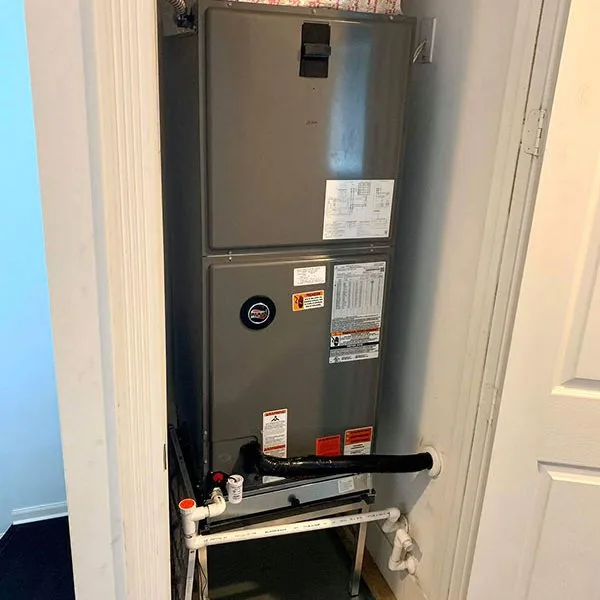
| When the AC kicks on | Drain pan, coil or ductwork | The air handler and drain line |
| In a closet on an outside wall | Moisture in the wall cavity | Baseboards and the wall bottom |
| Over one area of the floor | Leak under the floor or slab | The water meter, warm spots on the floor |
| Throughout an older pier-and-beam home | Damp crawl space | Vents, insulation, standing water below |
| In the laundry room | Washer hose or drain leak | Behind and under the washer |
| After it rains | Roof or foundation seepage | The attic and lower walls |
Hidden Sources Common in Tulsa Homes
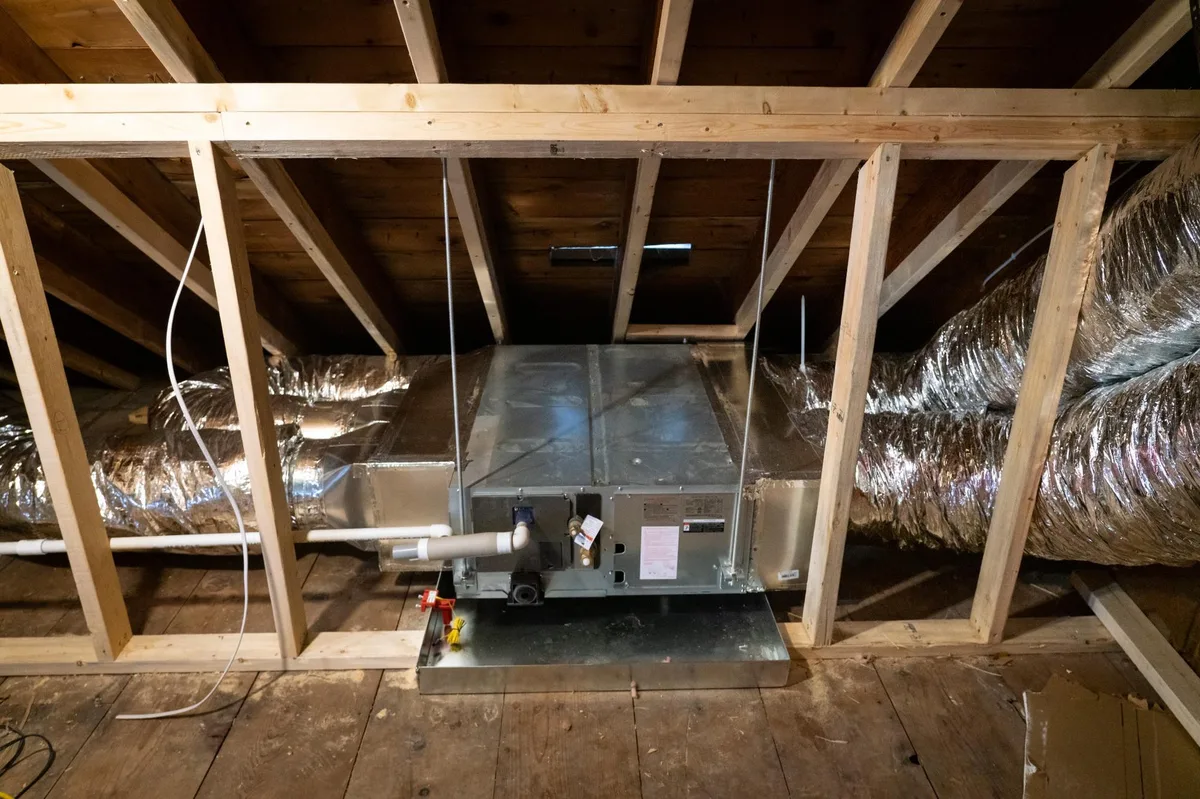
- Attic air handlers. Drain pans and coils stay damp all summer; a slow overflow wets insulation and ceilings out of sight.
- Slab foundations. Much of the Tulsa metro, from Broken Arrow to Jenks, is built on slabs. A pinhole leak in a pipe under the floor can soak the slab and flooring for months, which is the classic pattern of a slab leak under the house.
- Older pier-and-beam homes in neighborhoods like Midtown and Kendall-Whittier, where crawl spaces can stay damp and the smell rises through the floor.
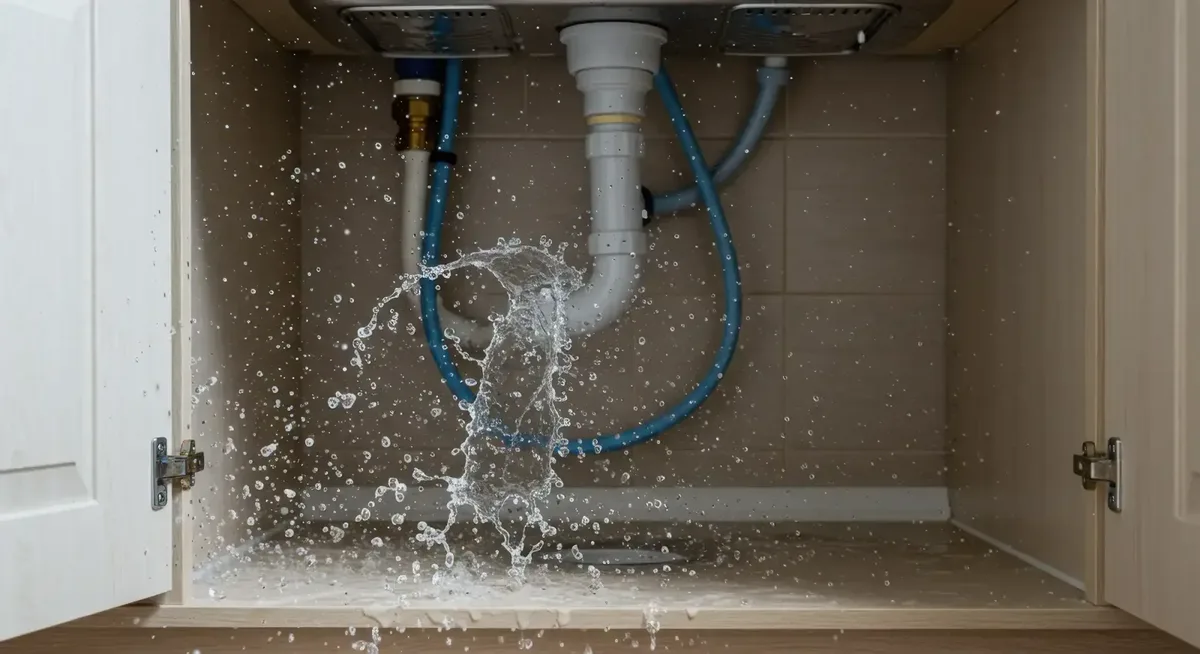
- Kitchen appliances. A slow dishwasher or ice maker leak can wet the cabinet base and subfloor for weeks before anything shows.
- Old water damage that was never fully dried, especially after a past roof leak or a burst pipe.
What You Can Check Yourself
- Walk room by room, including closets, and note where the smell is strongest
- Do a water meter test: all water off, watch the meter for 15 to 30 minutes
- Look under every sink with a flashlight
- Check behind and under the washer, fridge and dishwasher
- Look for peeling paint, warped baseboards and small stains
- Check indoor humidity with an inexpensive hygrometer; aim for 30 to 50 percent
- Compare the smell at the vents with the AC on and off
Should You Test for Mold?
If you can see mold, testing is usually not needed to start; the moisture gets fixed and the mold gets removed. When you can only smell it, an inspection that finds the moisture, sometimes with air sampling, is how you find out where it is coming from. Here is the difference between a mold inspection and mold testing, so you know what to ask for.
What Not to Do
- Do not cover the smell with candles or air fresheners. It hides the only clue you have.
- Do not open walls yourself. Breaking into moldy drywall spreads spores into the rest of the house.
- Do not point fans at an area you suspect has mold.
- Do not paint over stains or damp spots.
Musty Smell Questions
Musty Smell Questions
Mold can trigger allergy and asthma symptoms in sensitive people. If someone in the home has symptoms, talk to a doctor, and find the source of the smell.
Water is getting in during storms, through the roof, around windows, or through the foundation, and the area is not drying out between rains.
The drain pan or coil is holding water, often because the drain line is partly clogged. If the pan has overflowed onto a ceiling or floor, that is AC drain line overflow cleanup, not just an AC tune-up.
Moisture meters and thermal imaging find the wet areas, and air sampling compares indoor spore levels with the air outside. That is what air quality testing is for.
Do Not Wait
Musty Smell You Can't Track Down? Call Now.
Call (918) 347-0890 and a crew is dispatched immediately anywhere in the Tulsa metro to find the moisture behind the smell.
24/7 Emergency Helpline
(918) 347-0890Keep Exploring