Mold Inspection vs Mold Testing: What's the Difference?
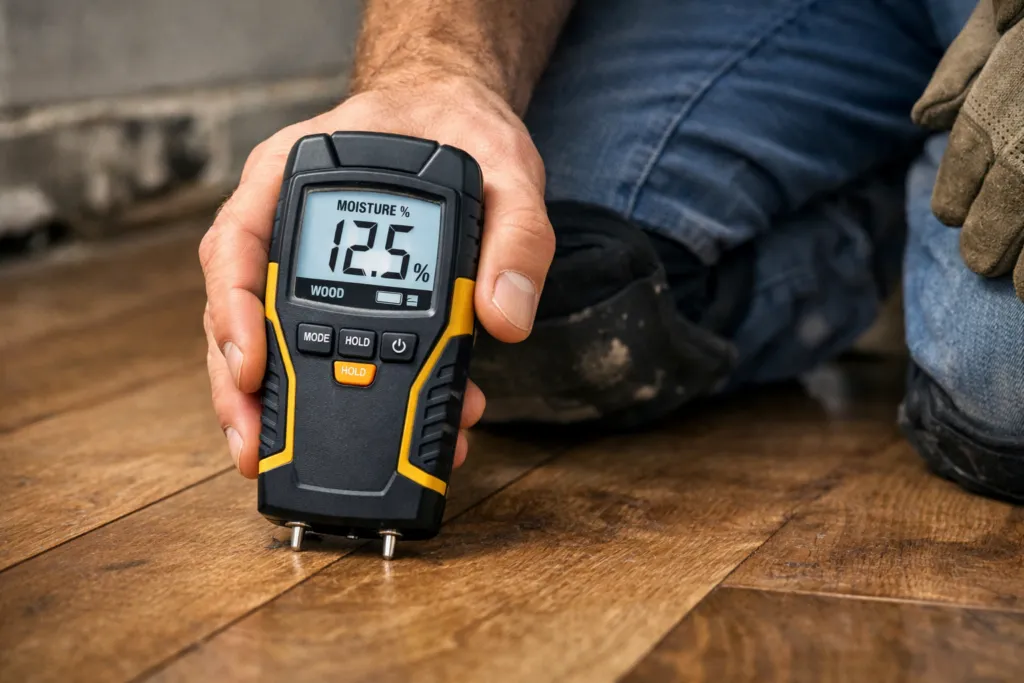
A mold inspection is an investigation: it looks for mold, water damage and the moisture source, using tools like moisture meters and thermal cameras. Mold testing takes samples, usually of the air or a surface, and sends them to a lab to identify mold types and compare indoor spore levels with the air outside. Most homes start with an inspection; testing answers the specific questions an inspection cannot.
The two are often sold together, but they do different jobs. Knowing which one you need saves time and keeps you from paying for answers you already have.
Side by Side
| Mold Inspection | Mold Testing | |
|---|---|---|
| What it is | A visual and moisture investigation | Air, surface or material samples analyzed by a lab |
| What it answers | Where the mold and water are, and what caused them | What type of mold, how much is in the air, whether cleanup worked |
| Tools used | Moisture meter, thermal camera, hygrometer, flashlight | Air pump with spore traps, swabs, tape lifts |
| Results | During the visit | After lab analysis, often a few days |
| Best for | Musty smell, a recent leak, buying an older home | Suspected hidden mold, health concerns, after remediation |
| Limit | Cannot measure airborne spores | A snapshot in time; does not find the moisture source |
When You Need an Inspection
- The house smells musty and you cannot find why
- A leak was not dried within a day or two
- You see stains, peeling paint or warped baseboards
- You are buying or renting an older home, especially one with a crawl space or past water damage
- Windows or walls keep sweating in certain rooms
When Testing Makes Sense
- An inspection found moisture but no visible mold, and you want to know if mold is in the air
- Someone in the home has allergies or asthma and wants to know what they are breathing
- A landlord, tenant or buyer needs documented results
- Remediation is finished and you want proof the work area is back to normal. That is post-remediation clearance testing, and it should happen before the walls are closed.
The Three Kinds of Mold Tests
Air Sampling
A pump pulls a measured amount of air through a spore trap, indoors and outdoors. The lab compares the two. Indoor levels well above outdoor levels, or types indoors that are not found outside, point to a problem inside.
Surface Sampling
A swab or tape lift from a visible spot tells you what is growing there. Useful when you need to know the type, not just whether it is mold.
Bulk Sampling
A small piece of drywall, carpet or insulation goes to the lab. Used when the material itself is in question.
What About Home Mold Test Kits?
Most store kits are a dish that collects spores that settle out of the air. Every home has some mold spores, so these dishes almost always grow something. They cannot tell you how much is in the air, how it compares with outside, or where it is coming from, which are the questions that matter.
What Happens During a Visit
- A walkthrough and a few questions: past leaks, when the smell started, who is bothered by it.
- Moisture mapping of walls, floors and ceilings with meters.
- Thermal imaging to spot cool, wet areas behind surfaces.
- Samples, if they will answer a real question, with an outdoor sample for comparison.
- A clear report: where the moisture is, what was found, and what should happen next.
That visit, with or without lab samples, is what mold inspection and testing covers for Tulsa homes.
Inspection and Testing Questions
Inspection and Testing Questions
Usually not. The EPA notes that when mold is visible, sampling is generally not needed to begin; the moisture source gets fixed and the mold gets removed.
Lab results usually come back within a few days. The inspection findings are available during the visit.
It usually finds the moisture that signals it. Confirming growth inside a wall may need air sampling or a small inspection opening.
The moisture source is fixed first, then the affected area is contained and the mold-damaged material is cleaned or removed. That is professional mold remediation, followed by clearance testing.
Do Not Wait
Not Sure What You're Dealing With? Call Now.
Call (918) 347-0890 and a crew is dispatched immediately anywhere in the Tulsa metro to find the moisture and tell you what comes next.
24/7 Emergency Helpline
(918) 347-0890Keep Exploring